
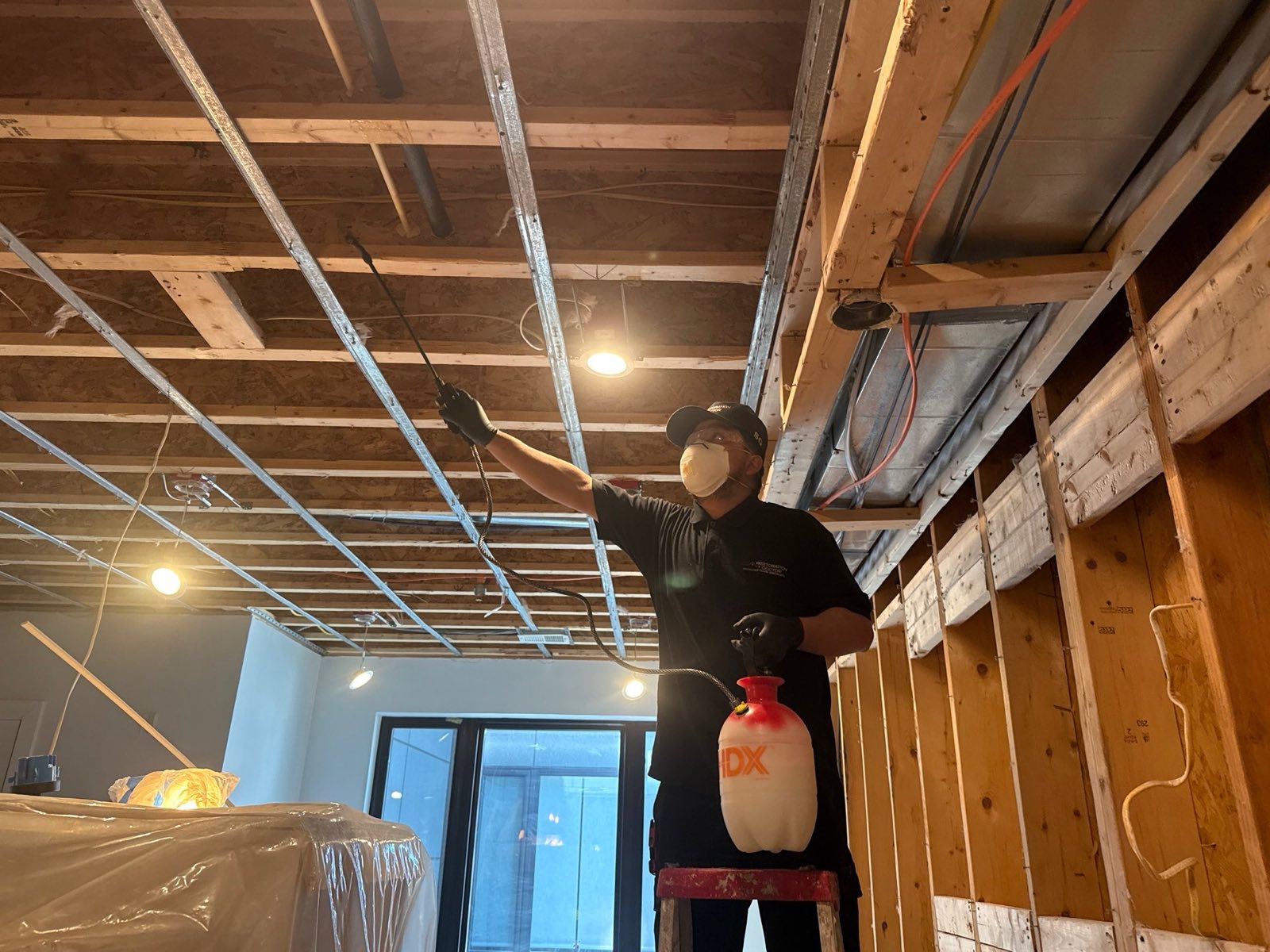
Water, Storm, Mold & Insurance Guides
Straight answers for South Florida homeowners — what to do first after a storm or leak, what insurance covers, and how the restoration process actually works across Miami-Dade, Broward, and Palm Beach.
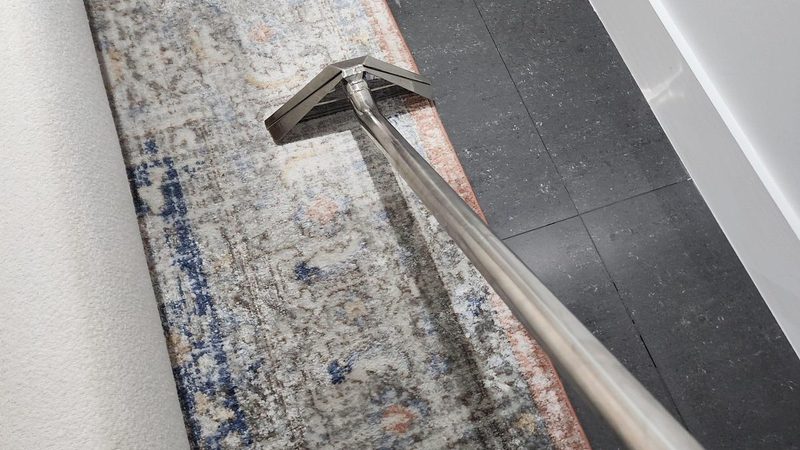
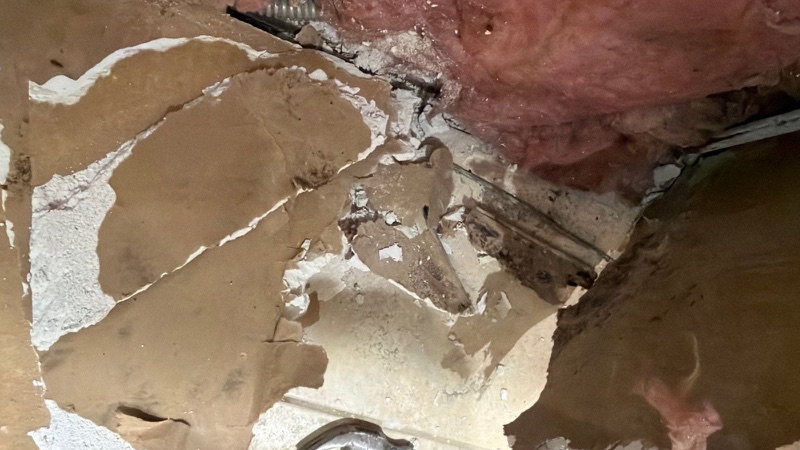
How Do You Stop Mold After a Hurricane in Florida?
Mold after a Florida hurricane rarely shows up during the storm — it blooms two to eight weeks later in wet drywall sitting in September humidity. Here's the triage order that stops it.
READ
What Does Flood Cleanup Involve When Street Water Gets Into Your Home?
When street water floods your home, it arrives contaminated under IICRC S500 — so cleanup means removing porous materials and sanitizing, not just drying. Here's what that involves in low-lying South Florida.
READ
Four Documents Behind a Property Manager's Mitigation Invoice
A mitigation invoice is reviewable on the strength of four documents that have to exist while the work is happening, not after it. Here is what each one is.
READ
Is “Industry Standard Pricing” a Legal Standard in Florida?
Told your mitigation invoice is above industry standard? The published price lists are historical market surveys, and Florida's statutes measure something else entirely.
READ
Do You Have to Use a Preferred Contractor in Florida?
A list of names is an arrangement between an insurer and the companies on it. Here is what the Florida statutes say, what they are silent on, and the questions that settle it in writing.
READ
If Your Florida Carrier Wrote an Estimate, You Can Get a Copy
A payment figure is not a document. Florida's claim-handling statute puts the carrier's own detailed estimate in your hands, with two limits worth reading first.
READ
When a South Florida Water Loss Needs a General Contractor
Coordination is not a feeling about how big a job looks. It is a set of hand-offs between trades, and South Florida construction decides how many there are.
READ
Direction to Pay Is Not an Assignment of Benefits
Two documents can arrive on the same clipboard while the floor is still wet. One transfers your post-loss benefits. The other only says where to send a payment on an invoice you still owe.
READ
Why a Florida Contractor Will Not Read Your Insurance Policy
Three kinds of company will offer to handle your claim. Only some of them are licensed to say what your policy means, and Florida wrote that line down.
READ
Does Insurance Cover Mold After a Short-Paid Dry-Out?
The drying equipment left early and growth showed up later. Here is what Florida law actually reaches, where the mold terms live, and who decides the coverage question.
READ
Can Your Insurer Deny Overhead and Profit on Water Mitigation?
The general contractor line is usually the first thing cut from a mitigation estimate. Florida has a Supreme Court holding on it, and the holding runs in both directions.
READ
Florida Mediation vs Appraisal on a Water Claim Dispute
The statute calls appraisal potentially expensive and time consuming. The state runs a mediation conference instead, and the carrier bears the cost of conducting it.
READ
After a Condo Water Loss, the Association Controls the Rebuild
Before anyone argues about who pays, Florida law answers a narrower question: who is allowed to do the work. Chapter 718 gives that to the association, and the board's written consent is the route that paragraph names for a unit owner.
READ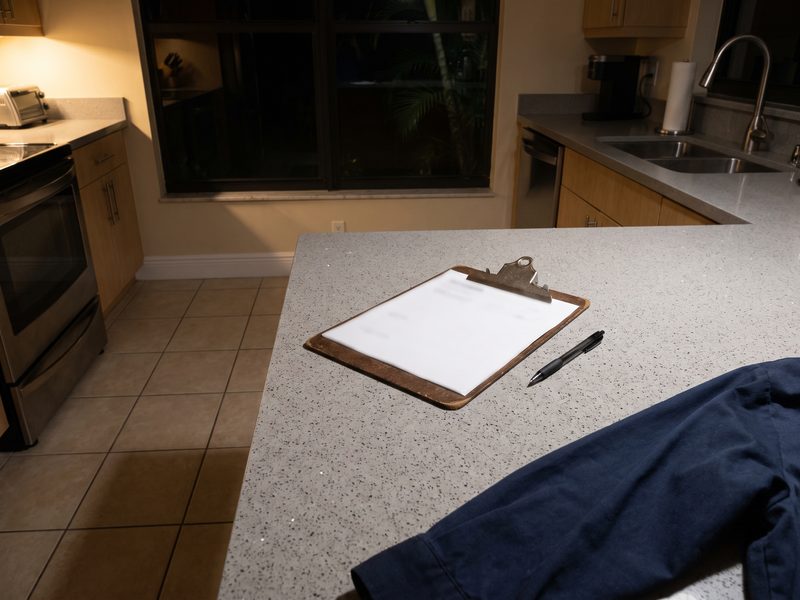
Why Your Florida Restoration Deposit Equals Your Deductible
You hold the agreement, not your carrier. Here is why the deposit is set at your deductible, what it confirms, and when the balance is due.
READ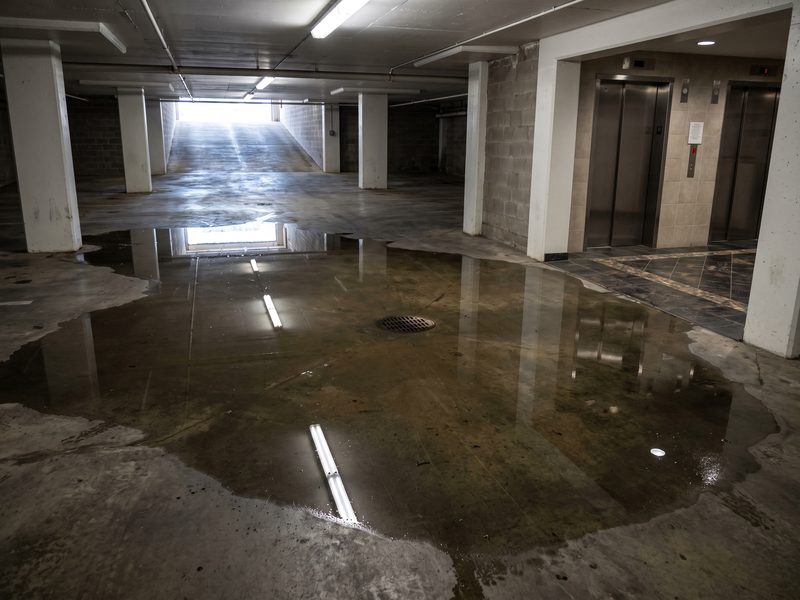
Elevator Pit Flooding in a Miami High-Rise: Why the Car Stays Out of Service
Water in the pit means the car is locked out until the elevator contractor clears it. Here is the sequence, the cost question, and what can be dried meanwhile.
READ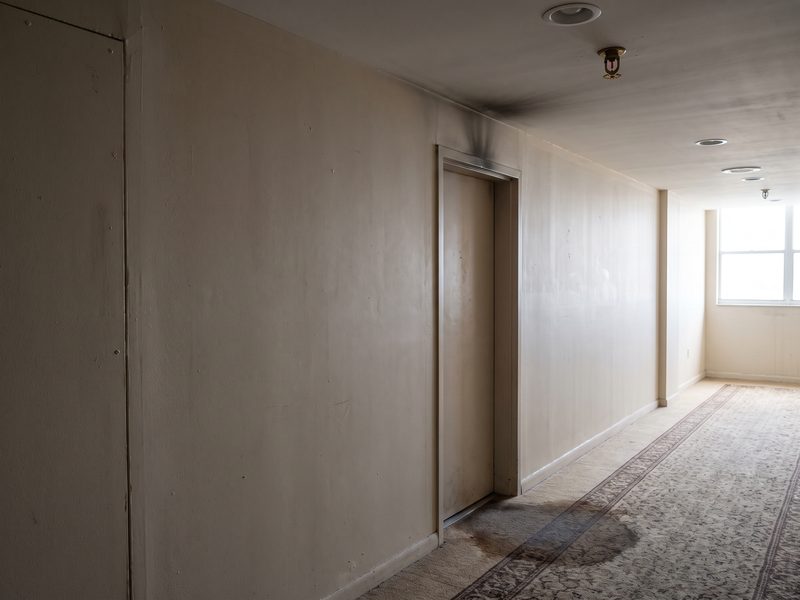
Lithium and E-Bike Battery Fires in Miami Condos: Who Pays
One failed e-bike battery makes three losses: fire in the unit, smoke through the corridor stack, and sprinkler water down floors. Here is each one.
READ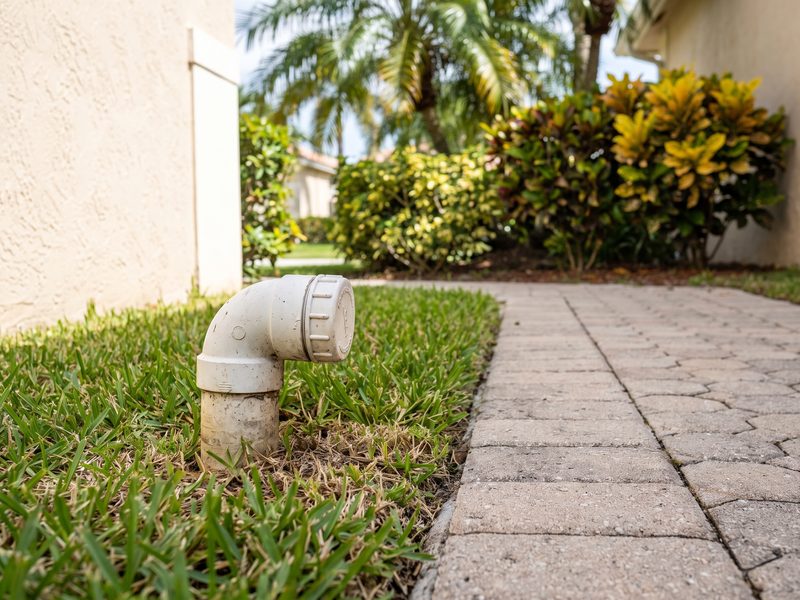
Sewer Lateral Responsibility in Miami-Dade and Broward: Who Owns What
The homeowner owns the lateral to a point the utility defines, and that point moves across a county line. Find the cleanout, document it.
READ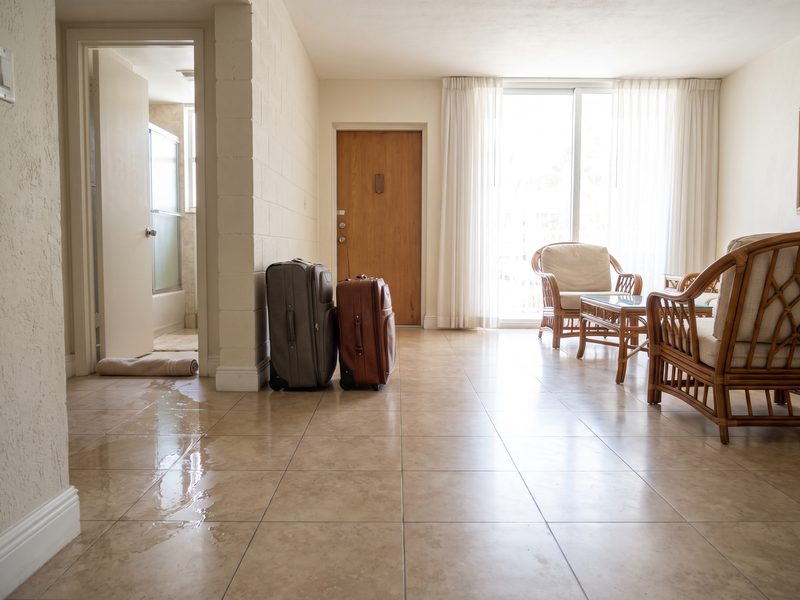
Water Damage in a Miami Short-Term Rental: Who Pays, and What the Downtime Costs
A flooded Miami short-term rental is two losses at once: a wet unit and a blocked calendar. Here is the coverage stack and how operators document both.
READ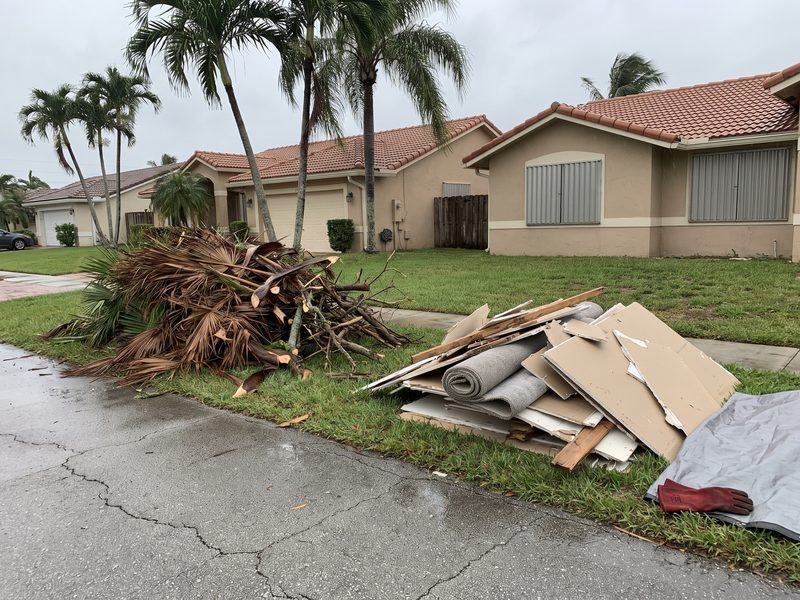
Storm Debris Pickup Rules in Miami-Dade and Broward: What Goes at the Curb
Separated piles are what gets collected. Here is how vegetative and construction debris differ, what never goes to the swale, and what to photograph first.
READ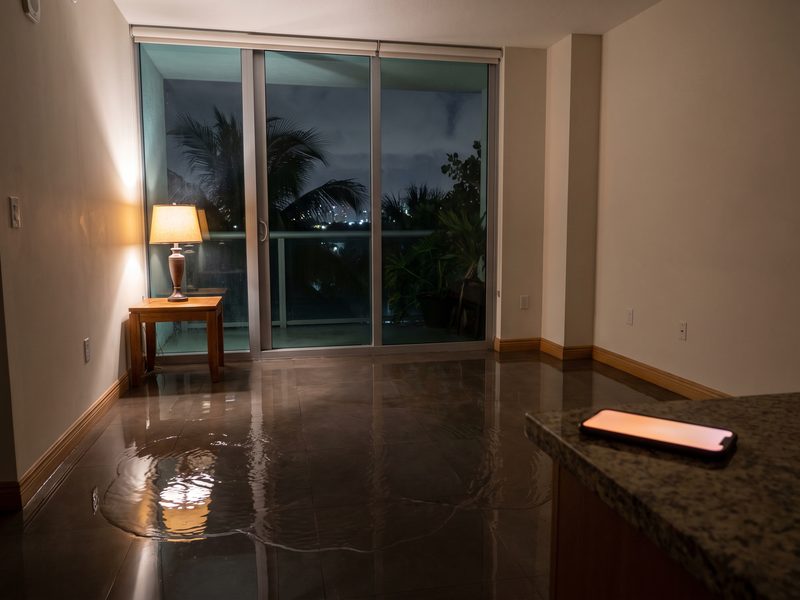
Is There a Night, Weekend or Holiday Premium for Emergency Water Extraction?
The hour does not double the bill. What a mobilization covers, which lines carry a night or holiday labor rate and why morning is the expensive option.
READ
The 50% Rule: Substantial Damage and Rebuilding to Code in South Florida
A floodplain office, not your insurer, decides whether a flooded South Florida home can be repaired in place or has to be brought up to current flood code.
READ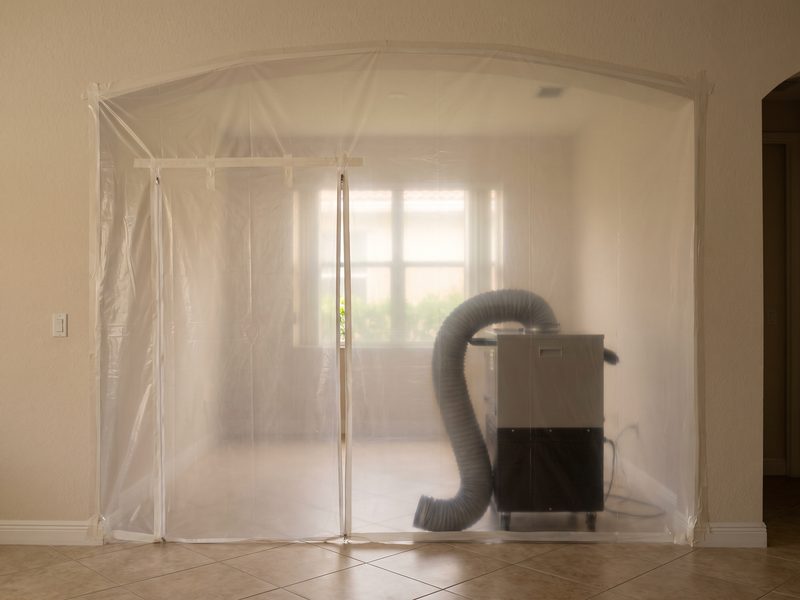
Mold Condition 1, 2 and 3: The Scale a Remediator Uses to Scope Your Job
The condition scale is the vocabulary your assessor and your remediator both write in. Learn what evidence separates the three before you read another quote.
READ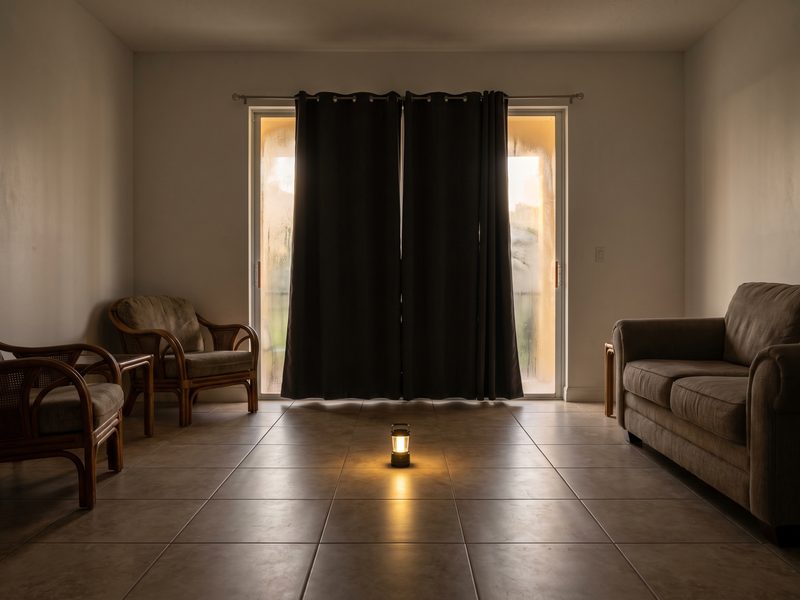
How Long Can a Florida House Sit Without AC Before Mold Starts?
A multi-day outage is the most common way a South Florida home that never flooded still needs mold remediation. Here is the clock you are racing.
READ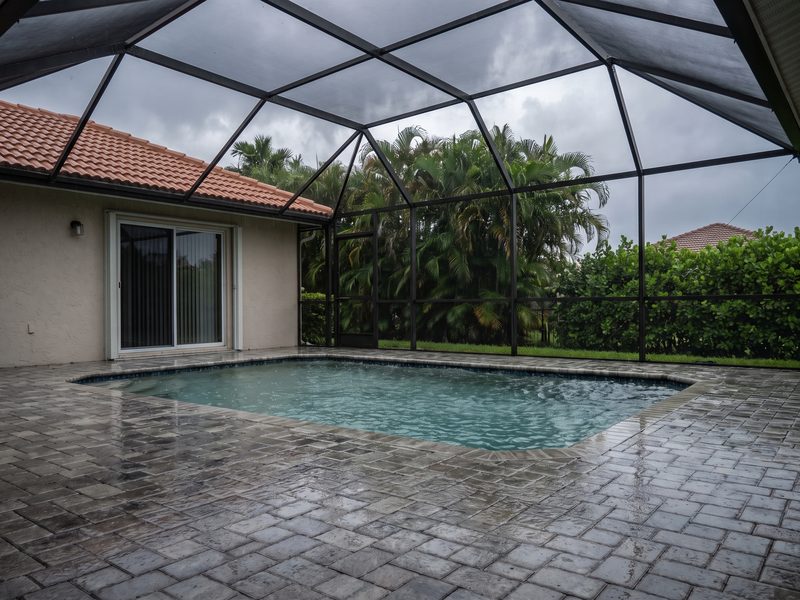
When the Pool Overflows Into the House: Storm Rain, Pumps and Patio Drainage
A full pool has nowhere to put a heavy rain band, and the deck sends the surplus at the lowest threshold in the house. What to do before, during and after.
READ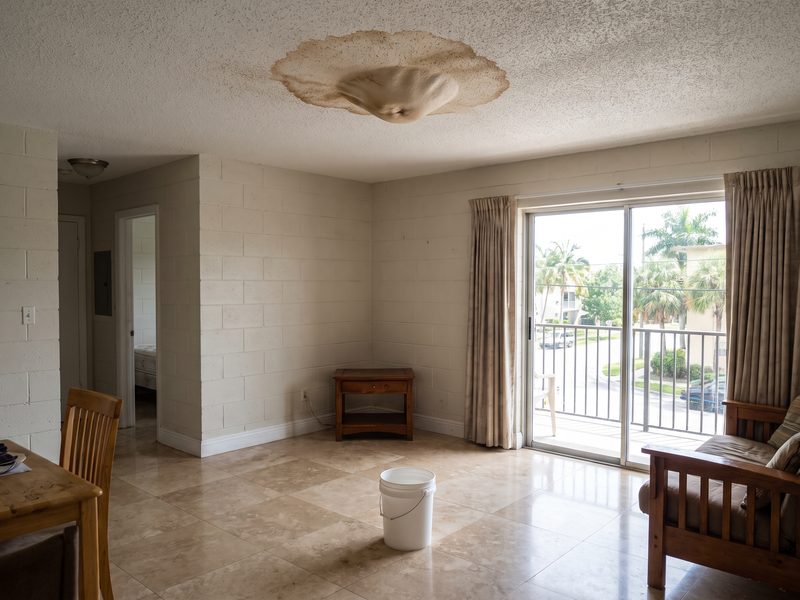
Plumber, Roofer or Restoration Company? Who to Call First in South Florida
Three trades answer water calls in South Florida. Read the symptom, make the right first call, and keep a one-day dry-out from becoming a three-week rebuild.
READ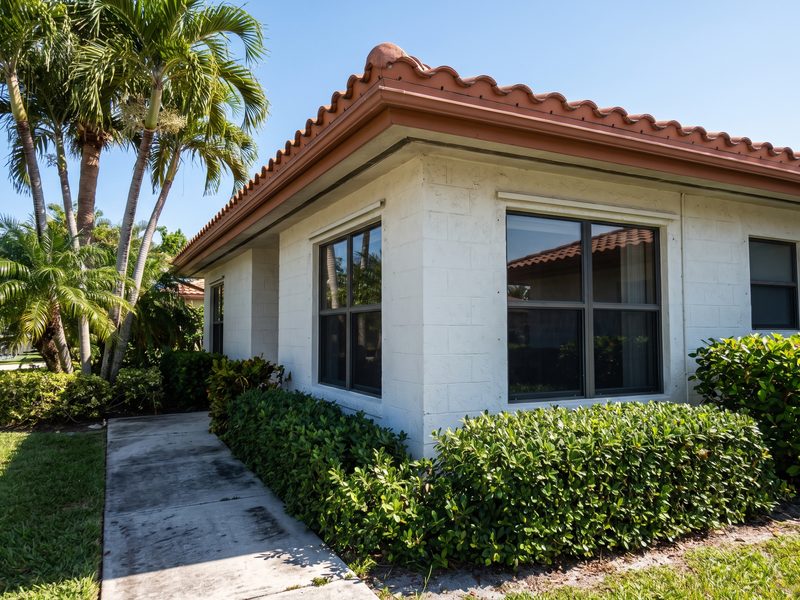
Drying Concrete Block Walls After Water Damage: The South Florida Clock
Most South Florida homes are concrete block with a furred drywall cavity inside, and that assembly dries on a slower, stranger curve than wood framing does.
READ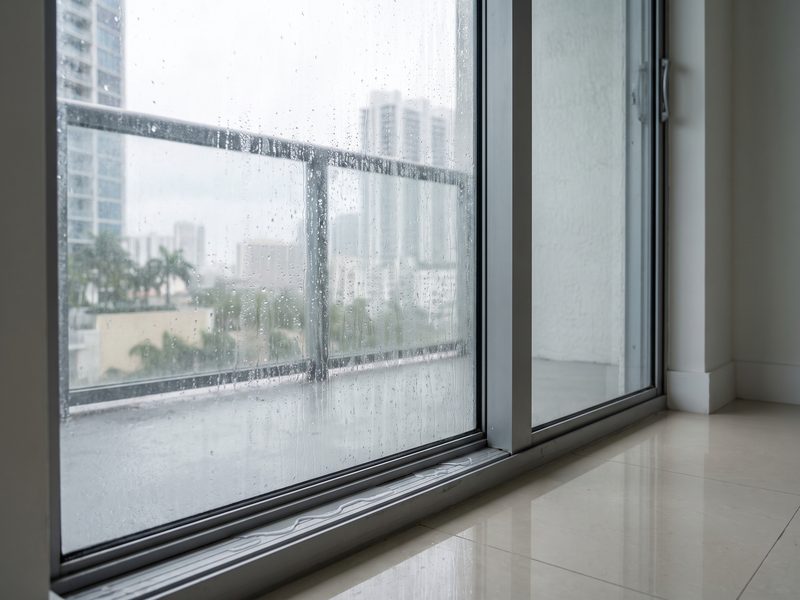
Condensation and Mold Around Impact Windows and Sliding Doors
Water on the inside of the glass, dark specks on the sealant, and nothing wrong with the window. Here is the diagnostic path before anyone quotes you glazing work.
READ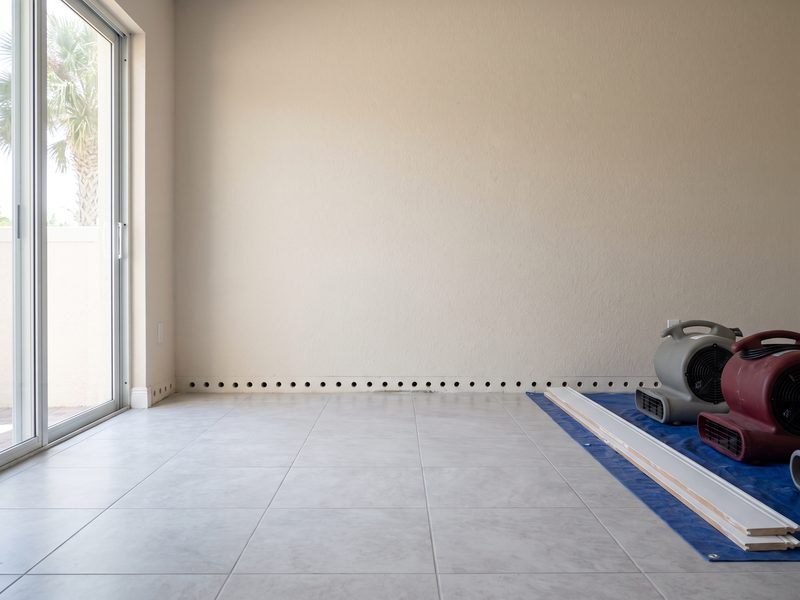
Why Did They Drill Holes in My Baseboards? Wall-Cavity Drying, Explained
A row of small holes behind the baseboard is usually the cheapest decision on the job. Here is what it does, and the three times it does not work.
READ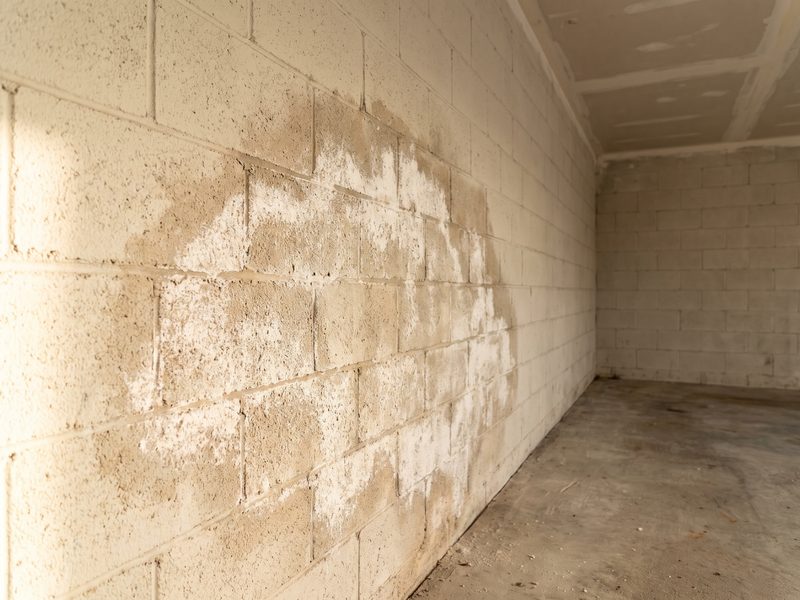
Mold or Efflorescence? How to Tell on a Florida Block Wall
White or gray bloom on a block wall panics people in Miami-Dade and Broward. Here are the field checks that tell salt from growth, and what each finding means.
READ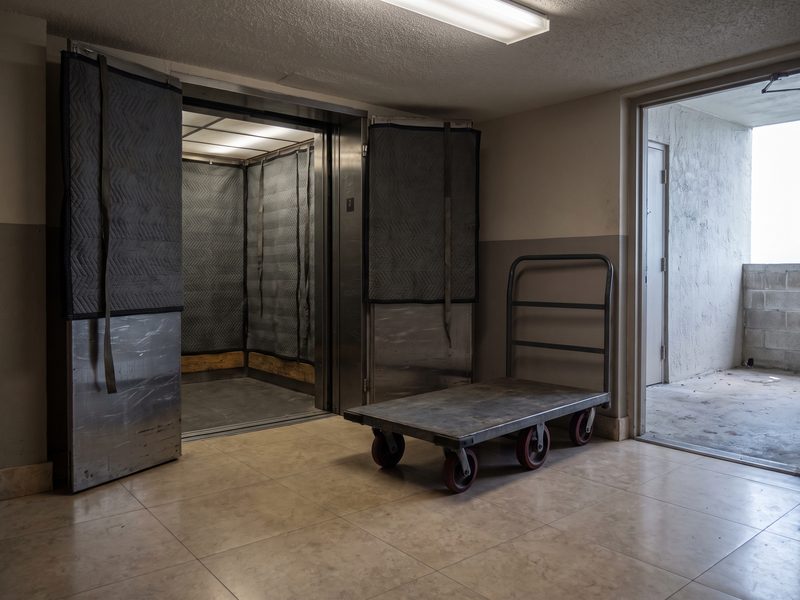
What a Brickell or Aventura Condo Requires Before Restoration Equipment
In a South Florida tower the first air mover usually waits on building paperwork, not on the contractor. Here is the requirement set, and how to clear it early.
READ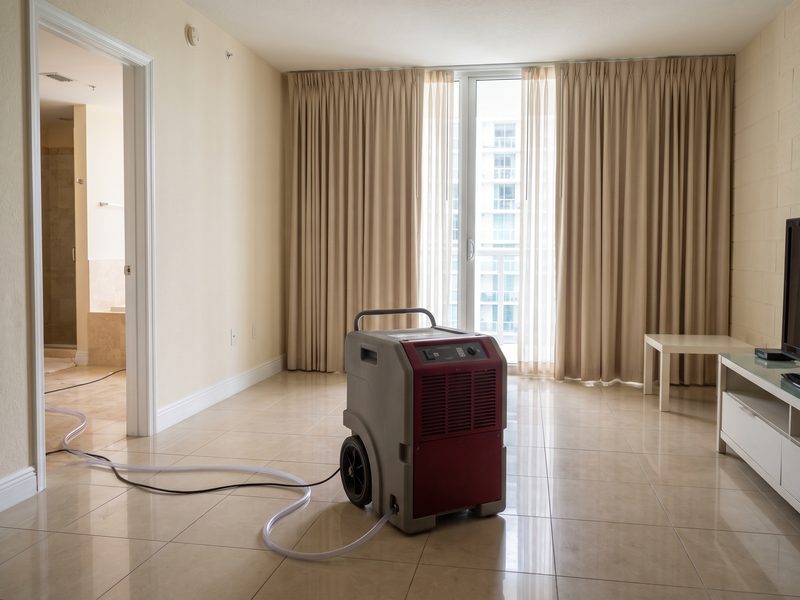
LGR vs Desiccant Dehumidifiers: Which One a Crew Brings to a South Florida Job
Two gray boxes, two different jobs. Here is the logic a South Florida crew uses to pick between an LGR and a desiccant dehumidifier on a water loss.
READ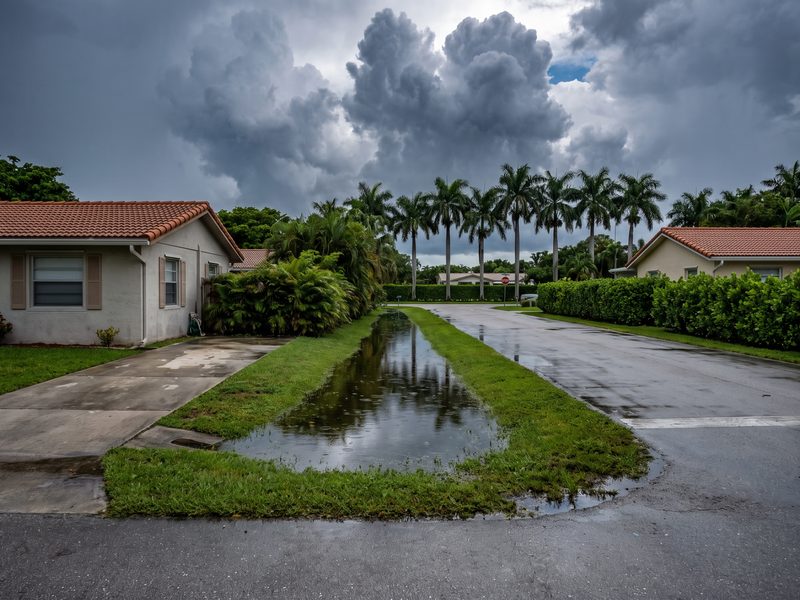
When South Florida Water Losses Actually Happen: A Month-by-Month Map
Four separate drivers put water inside South Florida buildings, and only one of them is a hurricane. Here is the twelve-month map, with the quiet windows marked.
READ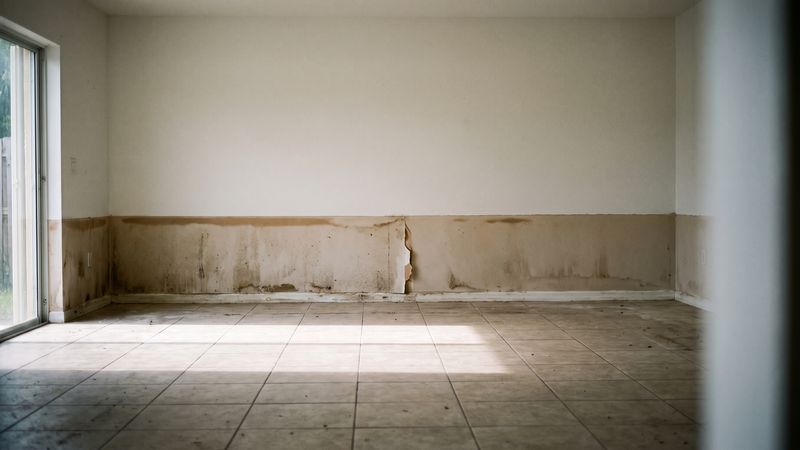
What Does 'Dry' Actually Mean? Drying Goals and Dry Standards in Florida
Dry is a number, not a feeling. See how a drying goal and a dry standard are set from unaffected material in your own building, and why Florida's sits higher.
READ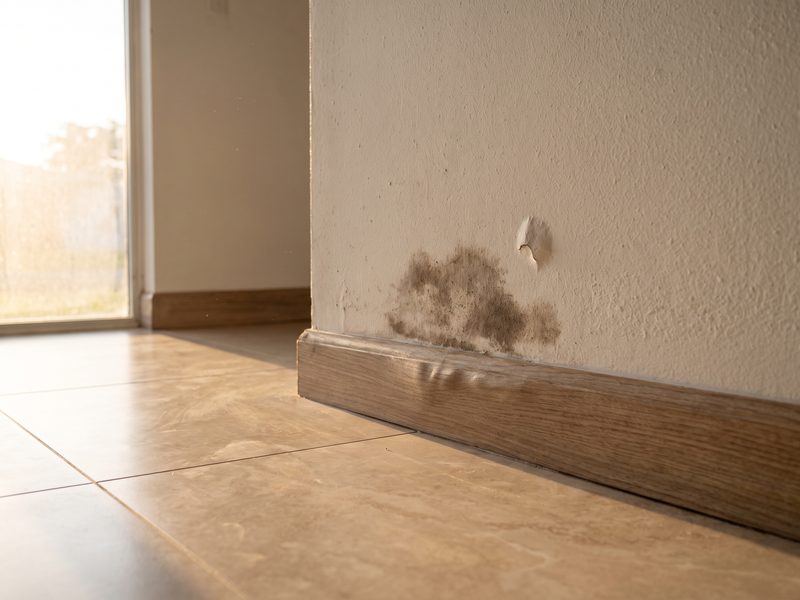
Secondary Damage: The One Word That Decides How Much of Your Claim Gets Paid
Primary damage is what the water did. Secondary damage is what the humidity did after, and in South Florida that difference decides how much gets paid.
READ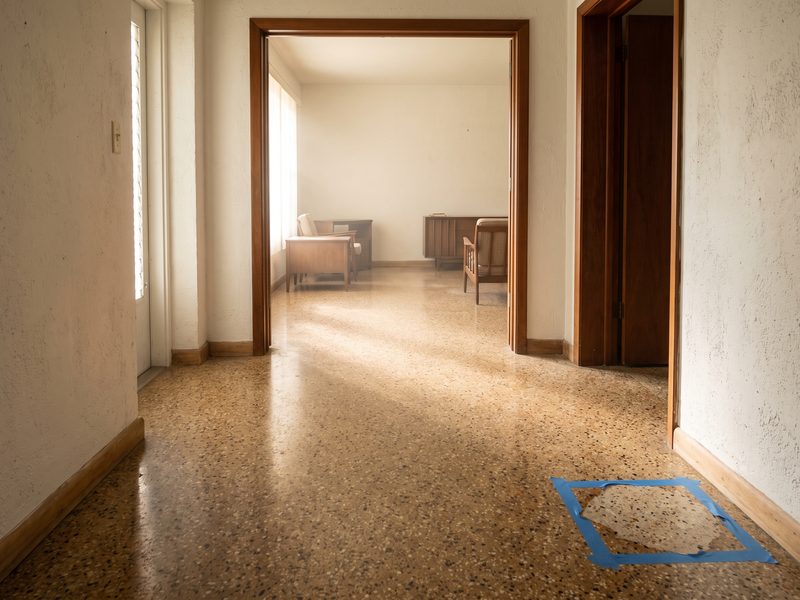
Matching Mid-Century Terrazzo: Florida's Matching Law and Your Water Claim
One wet room can sit inside one uninterrupted floor. Florida's matching law is why that matters, and documentation is what decides whether the argument works.
READ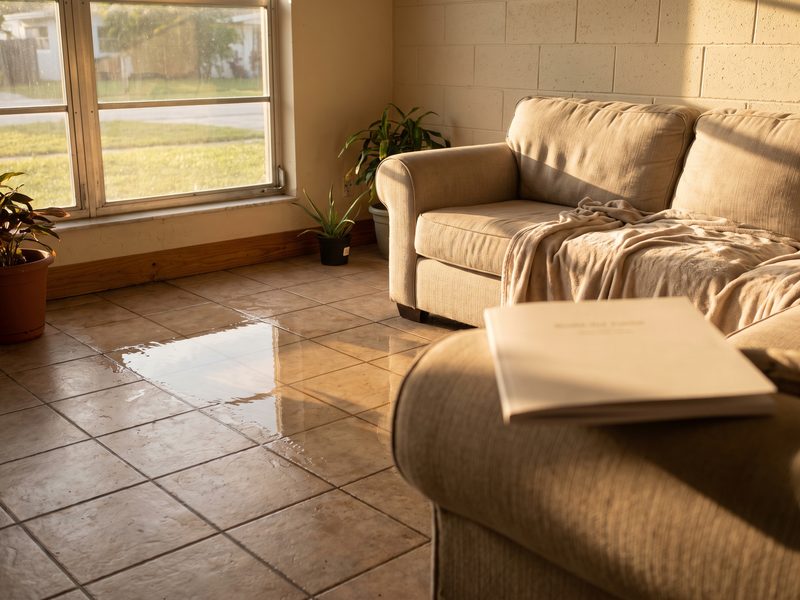
File the Claim or Pay Out of Pocket? Running the Numbers on a Florida Water Loss
Filing is arithmetic, not advice. Here are the four numbers a South Florida homeowner needs before deciding to open a water claim or absorb the cost.
READ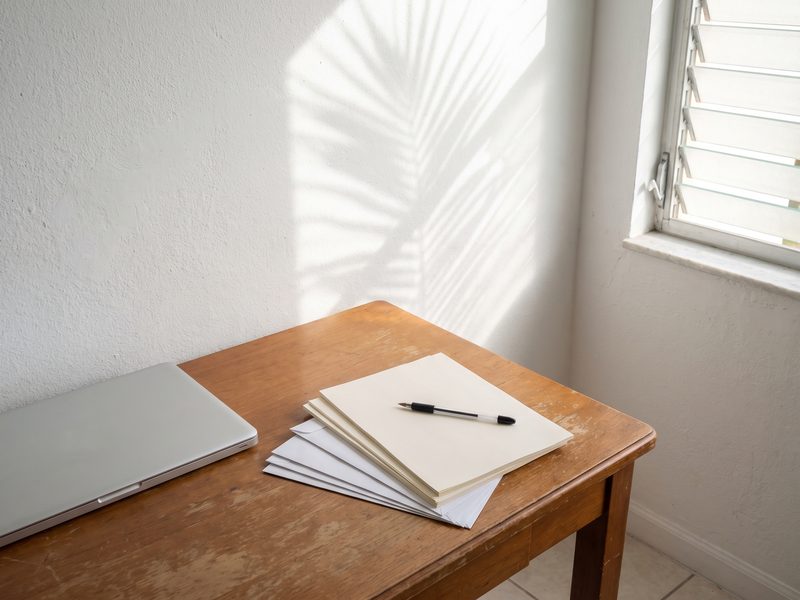
Your Insurance Check Has Your Mortgage Company on It. How to Get It Released
The first claim check after a South Florida water loss usually names your lender too. Here is the endorsement and loss-draft sequence that gets it released.
READ
Why Your First Insurance Check Is Smaller Than the Estimate (Florida ACV vs RCV)
The carrier approved the scope, then the check came in smaller. Here is where the money went, which lines depreciate, and how the holdback clears.
READ
Hurricane Water Damage in South Florida: What to Do in the First 24 Hours
When wind-driven rain, roof failure, or storm surge pushes water into your home, the first day decides how big the loss gets. Here is the exact order to work in — safety first, then documentation, then drying — written for South Florida conditions.
READ
High-Rise Condo Water Damage in South Florida: Who Pays and What to Do First
A supply line fails on the 20th floor and three units below get hit. In a South Florida high-rise, water damage is rarely one owner's problem — here is how responsibility, the association, and insurance actually sort out, and what to do in the first hour.
READ
Flood vs. Wind-Driven Rain: Which Insurance Pays for Your Florida Water Damage?
The most expensive misunderstanding in Florida storm claims is the difference between flood and wind-driven rain. One is covered by homeowners insurance, the other is not — and how the water entered your home decides which is which.
READ
Why South Florida Homes Grow Mold So Fast — and How to Stop It
In most of the country mold is a seasonal problem. In South Florida it is a year-round one. Here is why our climate and construction accelerate mold growth, where it hides, and how to actually stop it after water damage.
READActive water, mold, fire, or sewage event?
Connect directly with the Restoration Doctor team for your region. Crews are on standby 24/7 with documented response protocols.