Sewer Lateral Responsibility in Miami-Dade and Broward: Who Owns What

BYSteve Jafari, General ManagerMIAMI-DADE, BROWARD & PALM BEACH
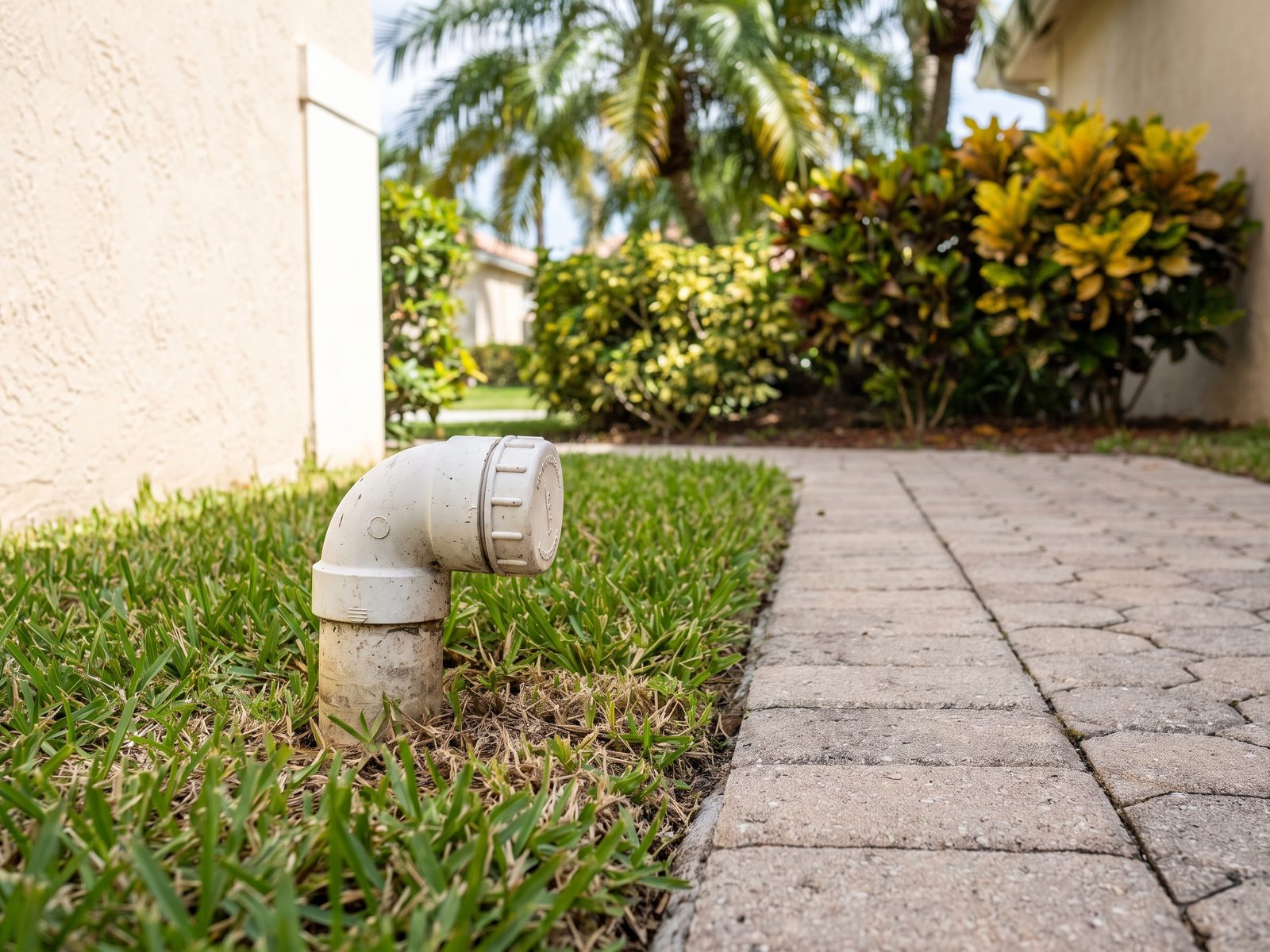
The homeowner normally owns the sewer lateral up to a defined point, and the utility owns the main beyond it. That point is set by the utility serving your address, so finding the cleanout, calling the right agency first and documenting the water class are what separate a covered claim from a maintenance bill.
Call (786) 213-9489Who is responsible for a sewer lateral in Miami-Dade or Broward?
In almost every case the property owner is. Sewer lateral responsibility in Miami-Dade and Broward follows one general pattern: you own the pipe carrying waste from your fixtures out to a defined point near the street, and the utility owns the main it empties into. The argument is never about the pattern. It is about where that point sits on your particular lot, because both counties are served by many separate utilities and each one writes its own line.
That is why two homeowners with the same backup can call the same number and hear opposite answers. A house inside an incorporated city may be served by a city utility with one rule. A house a few blocks away in an unincorporated area may be served by a county system with another. The pipe under the sod looks identical from the shower drain. The ownership line does not.
So treat the first call as fact-finding rather than a repair request. Ask one question: at this address, where does your responsibility for the sewer line begin? Write down the answer, the name of the person who gave it and the time.
- The private lateral runs from your fixtures, under the slab, out toward the street.
- The utility owns the main and, in many systems, some pipe on the street side of the boundary.
- The boundary is set by the utility serving your address, not by a single statewide rule.
- Confirm your own boundary in writing before anyone digs or bills.
Where does the homeowner's pipe end and the utility's main begin?
The answer takes only a few shapes, and knowing them shortens the call. Some utilities end their responsibility at the connection to the main itself, putting the whole run across the right-of-way on the owner. Some end it at the edge of the public right-of-way, which usually sits several feet inside the sidewalk, not at the curb. Some end it at a cleanout set near the property line.
The difference shows up in the middle of the yard. Root intrusion twenty feet from the house is almost certainly yours. A collapse directly under the asphalt is almost certainly not. The swale between the sidewalk and the street is the contested zone, and it is exactly where old clay pipe tends to fail here. The decision path below sorts the situation fast. It does not replace what your utility tells you.
| What you are seeing | What it usually means | Who to call first | What to ask for |
|---|---|---|---|
| One fixture backs up, the rest of the house drains fine | A local blockage in a branch line, not the lateral | A licensed plumber | A snake, then a camera if it repeats |
| The lowest drains back up when you run a shower or the washer | The main lateral is restricted between the house and the street | A plumber, plus the utility for a main check | A camera inspection with footage and a located depth |
| Neighbors on the same street report the same thing | A problem in the utility main or at a lift station | The utility, immediately | A service ticket number and the time of your report |
| Water rises in the yard cleanout but not in the house | The blockage sits downstream of the cleanout | The utility, then a plumber | Where their responsibility begins on your lot |
| The backup starts during or right after heavy rain | Infiltration or surcharge in the collection system | The utility, the same day | Whether a surcharge event was logged for your basin |
| Sewage appears after nearby street or driveway work | Possible construction damage to the lateral | The utility and the contractor doing the work | Dates, photos and the permit number for that work |
How do I find my cleanout, and why does it matter at 2am?
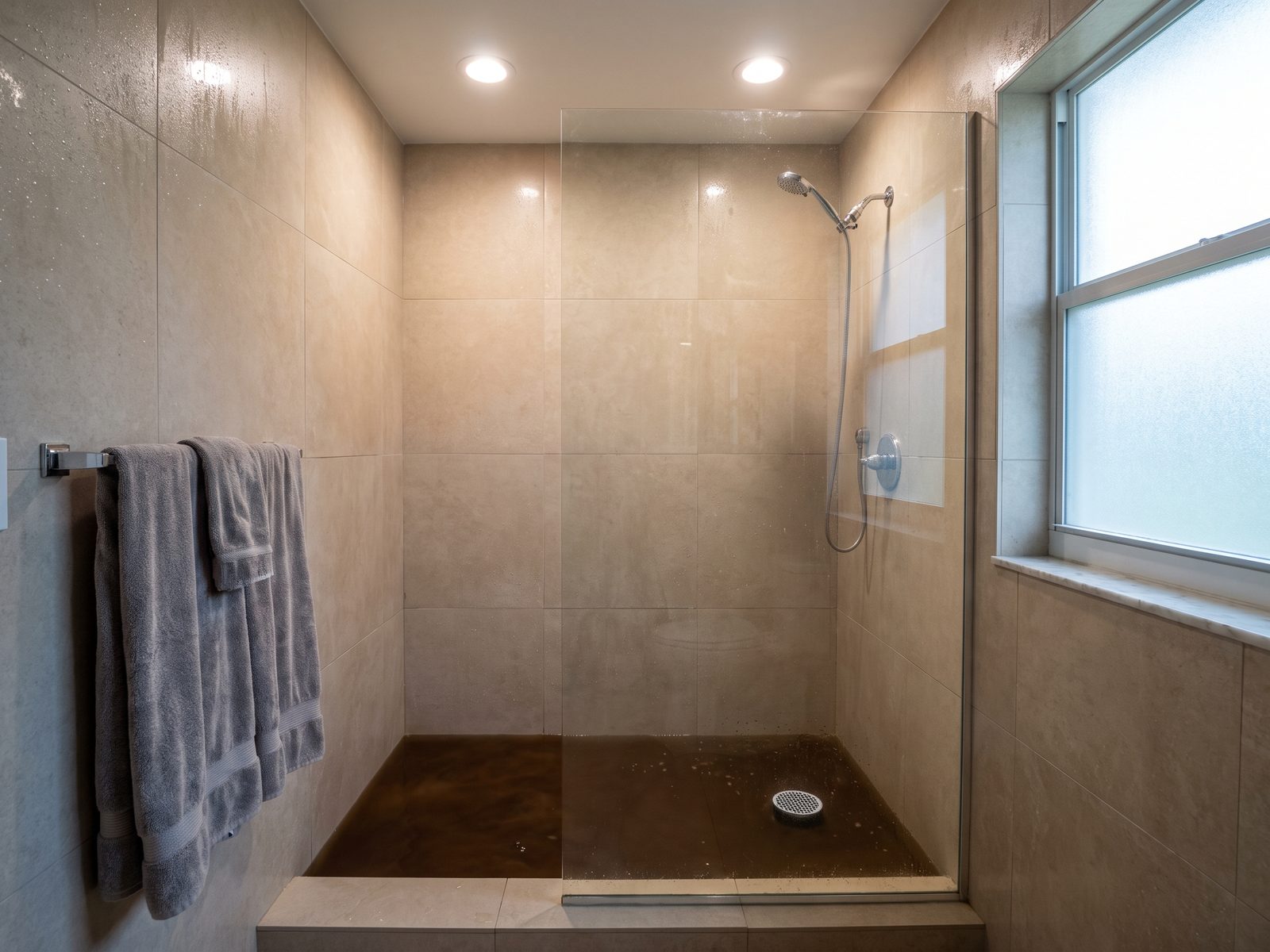
The cleanout is a capped pipe, usually four inches across, standing an inch or two above grade between the house and the street. On newer homes it is white PVC. On older ones it can be cast iron with a square nut, or a brass plug set flush in concrete. Look on the shortest line from a bathroom wall toward the main, often near a hose bib and often swallowed by St. Augustine grass.
It matters at two in the morning because it is the only place anyone can tell, in seconds, which side of the line the problem is on. Open it to standing sewage and the restriction is downstream toward the main. Open it to an empty pipe while the shower fills and the restriction is between the house and the cleanout. Find yours on a dry afternoon, mark it, and photograph it with the house in frame. A crew arriving at night with no reachable cleanout has to pull a toilet for access.
What will the utility actually respond to?
Utilities here generally do respond to a reported backup and will normally check their own side; ask whether that check carries a fee at your address. A crew opens their access point and looks for flow. If the main runs clear they will tell you the problem is private and leave. That is the boundary doing its job, and their report is useful either way. What they usually will not do is clear a private lateral, camera your pipe, or pay the plumber you already called.
Response speed tends to track how many addresses are reporting. One slow drain sits in a queue. Four houses on one block reporting sewage in the same hour moves quickly, because that pattern points at the collection system. Ask for a service ticket number on every call and note the time. The EPA describes sanitary sewer overflows and their causes, and that is the language a utility report tends to use.
The boundary is drawn differently where the collection system itself is built differently. Our sister site for Washington, D.C. covers why a combined sewer system changes the answer, and the contrast is a useful way to see why no single national rule exists.
What should I do in the first hour of a sewage backup?
Stop adding water. Every gallon that goes down a drain anywhere in the house pushes more contaminated water out of the lowest opening, which is usually a shower base or a floor drain. No toilets, no washing machine, no dishwasher, no ice maker until someone has looked at the line. Tell everyone at once, because a single flush undoes the next twenty minutes of work.
Then get people and pets out of the affected rooms and keep them out. Category 3 water carries bacteria and other pathogens, and the CDC publishes general guidance on floodwater and sewage contamination worth reading once the house is safe. Shoes track it into dry rooms, and an air handler with a return in the affected zone moves the odor and the aerosols through the rest of the house. None of the steps below involve cleaning the water yourself.
- 1. Stop all water use in the house, including appliances on a timer.
- 2. Move people and pets out of the affected rooms and close the doors.
- 3. Shut off power to the affected area at the panel if you can reach it from a dry spot.
- 4. Turn the air handler off if any return or supply opens into the affected zone.
- 5. Photograph and video everything before anything is moved or touched.
- 6. Call the utility for a main check and a licensed plumber for the private side.
- 7. Call a restoration company and say the water is Category 3, not clean.
- 8. Move dry contents out of the path and leave wet porous items where they are.

How does Category 3 water change the cleanup scope?
Sewage is Category 3 water under the IICRC S500 standard for water damage restoration, the consensus document restorers and claim reviewers both work from. The standards catalog sits here, and Category 3 means grossly contaminated, and that classification drives what gets removed, what gets cleaned, how the area is isolated and what has to be proved before the job closes.
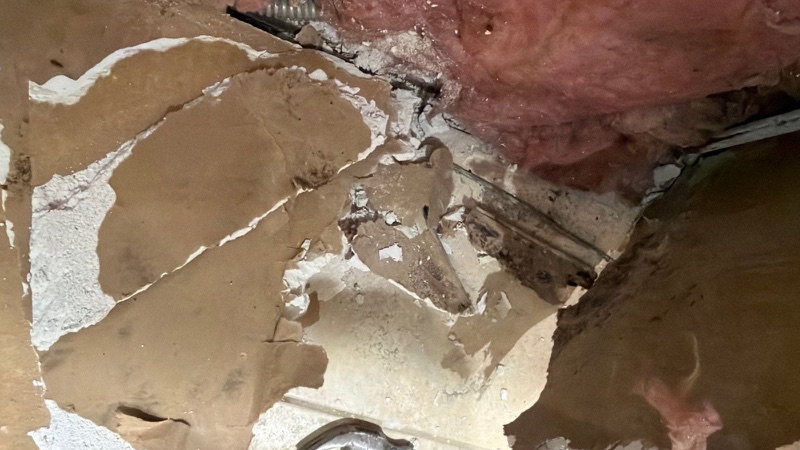
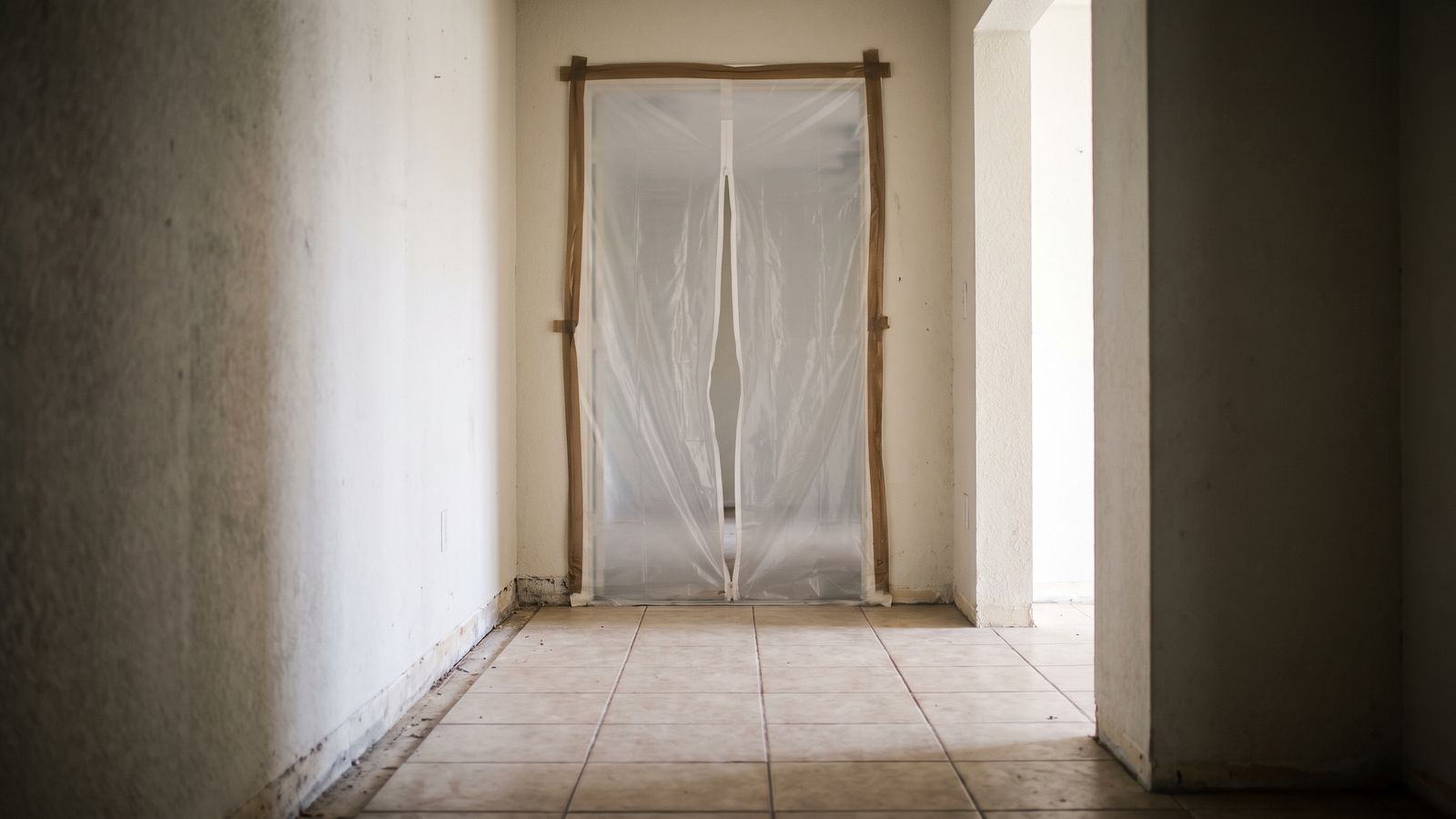
Porous materials that absorbed the water come out rather than getting dried: carpet and pad, drywall cut above the wetted height, insulation, particleboard cabinet bases, laminate flooring. Non-porous and semi-porous materials can usually be cleaned and kept, including tile, the slab beneath it, glass and most solid wood. Containment goes up first, with negative air through a HEPA scrubber and full protective equipment. Cleaning precedes drying, because drying a contaminated assembly only moves the problem around, and delay here is also how a Category 3 loss turns into a mold problem on top of a sewage one.
What documentation turns a backup into a recoverable claim?
A backup becomes a claim when the file answers three questions: what the water was, where it came from, and what it damaged. Miss the source question and the whole thing collapses into a maintenance argument, because a reviewer has to decide which part of the policy applies before deciding anything else.
Build the record from the first hour, and keep the plumber's invoice honest about what was actually found: roots at a joint, a collapsed section at a measured depth, grease, a surcharge pushing back from the main. Camera inspection footage is the single most useful document you can hold, because it shows the failure instead of describing it. A restoration contractor adds a moisture map, daily readings and a photographed material inventory. We bill you, the homeowner, and hand you a carrier-ready claim file with all of it inside.
- Photos and video of the water before anything moves, with time stamps intact.
- The utility service ticket number and the time you reported it.
- The plumber's written findings, and the camera footage if a camera was run.
- Every material removed, photographed in place before removal.
- Moisture readings and a drying log covering each affected room.
- Your declarations page and the full list of endorsements attached to it.
Does homeowners insurance cover a sewer backup in Florida?
Often not by default. A standard homeowners policy in this state generally excludes water that backs up through sewers or drains, and coverage usually depends on a separate backup endorsement being added. Those endorsements commonly carry their own limit, which can sit well below the dwelling limit. Read the declarations page and the endorsement list rather than assuming, and ask your agent to confirm in writing what is attached today.
Rising surface water is a different question. Water arriving over the ground during a storm is usually a flood question, and flood coverage is bought separately. FEMA explains what a flood policy does not cover, and it is worth reading before you assume. When a sewer surcharges during the same rain that put water in the street, the source determination becomes the pivot the claim turns on. Repair of the pipe itself is often treated as owner maintenance even where the resulting damage is addressed. None of this is legal advice, so bring in a licensed public adjuster or an attorney early if the position looks wrong, and Florida's Department of Financial Services takes insurance complaints if the carrier's handling itself looks off.
What causes lateral failures in South Florida specifically?
Roots and old pipe material lead the list. Ficus and black olive push aggressive roots through sandy soil, and a root only needs a hairline gap at a joint to get in. Once inside it grows toward the moisture and builds a mat that catches paper and grease until the line closes. Older neighborhoods often still carry vitrified clay, which cracks at the joints, and some mid-century subdivisions carry bituminous fiber pipe that deforms into an oval as it ages.
The water table does the rest. Groundwater sits high across much of Miami-Dade and Broward and rises further through the May to October wet season and on king tides. A cracked lateral below that line takes in groundwater continuously, and the same cracks let soil wash out until a section sags into a belly that holds waste. Construction supplies the remainder, since driveway extensions, paver installs and pool decks all put point loads over a shallow pipe. Inside the house, grease and wipes finish off a line that was already marginal.
How do I reduce the chance of it happening again?
Start with knowledge rather than hardware. Have the lateral camera inspected once, keep the footage, and note the depth and location of anything the operator flags. That recording is the baseline every later inspection gets measured against.
Then deal with what the camera found. Root cutting buys time and treatment slows regrowth, but neither closes the gap that let the roots in. Spot repair, lining or replacement is what fixes it, and the right choice depends on material, depth and how much of the run is affected. Ask your plumber about a backwater valve as well, since many jurisdictions require one where fixtures sit below the elevation of the next upstream manhole cover. Confirm the requirement and the permit path with your local building department first.
- Get one camera inspection, keep the footage, and note distances and depths.
- Fix the defect the camera found instead of only cutting roots back.
- Keep grease and wipes out of the system, including out of a garbage disposal.
- Keep the cleanout capped and clear of sod so a crew can reach it in the dark.
- Treat repeat slow drains at the lowest fixtures as the early warning they are.
| Source | What it covers | Where to read it |
|---|---|---|
| IICRC standards | S500 for water damage restoration and S520 for mold remediation | IICRC standards |
| EPA, sanitary sewer overflows | What causes overflows in a collection system | EPA, sanitary sewer overflows |
| CDC, floods and your safety | Health risks from floodwater and sewage contamination | CDC, floods and your safety |
| EPA, mold, moisture and your home | Why damp materials grow mold quickly after a loss | EPA, mold, moisture and your home |
| FEMA, flood insurance | What a flood policy covers and how it differs | FEMA, flood insurance |
| Miami-Dade water and sewer | County utility service and the contact path for a backup | Miami-Dade water and sewer |
| Florida Department of Financial Services | Where to take an insurance handling complaint | Florida Department of Financial Services |