Does Insurance Cover Water Damage in a Vacant Florida Home?

BYSteve Jafari, General ManagerMIAMI-DADE & BROWARD
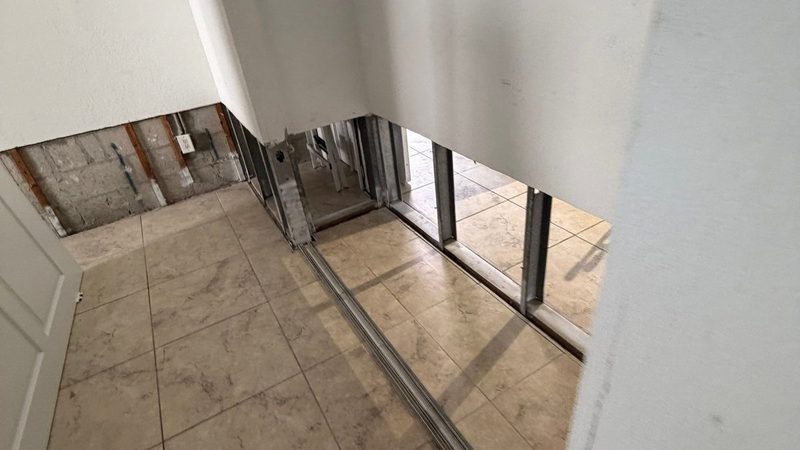
Insurance sometimes covers water damage in a vacant Florida house, but two things decide it: whether your policy has a vacancy or unoccupancy clause that limits coverage after a set period (often 30-60 days empty), and whether the loss was sudden and accidental rather than slow, long-term seepage. Snowbird discovery losses — a unit that leaked for weeks before the owner returned — sit right where those two issues collide, which is why they are denied more often. Shutting off the water and installing leak detection before you leave sharply reduces that denial risk.
Call (786) 213-9489Does insurance cover water damage in a vacant house in Florida?
Sometimes — but vacant and unoccupied homes are treated differently from lived-in ones, and that difference is where many South Florida claims fall apart. A standard homeowners policy generally covers water damage that is sudden and accidental, such as a supply line that bursts without warning. The complication for a vacant house is twofold: most policies contain a vacancy or unoccupancy clause that reduces or suspends certain coverages once the home has been empty for a defined number of days, and nearly every policy excludes damage from leaks that occurred gradually over weeks or months.
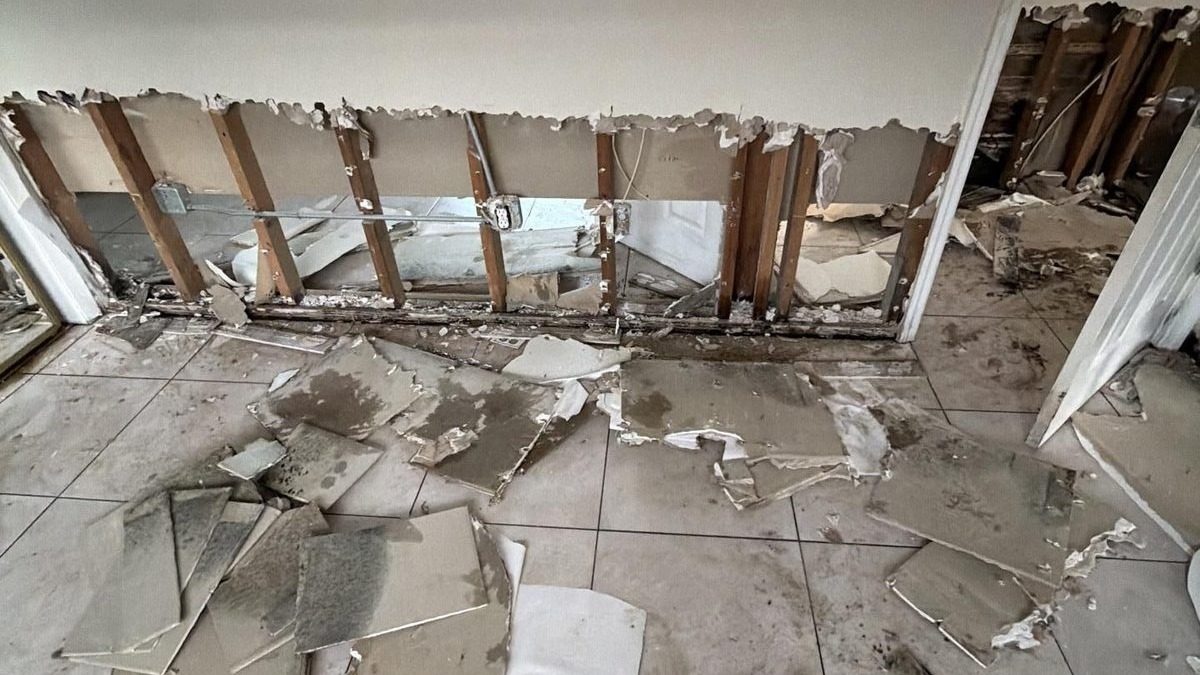
This is the exact trap that catches snowbirds. If you leave your Miami-Dade or Broward home in spring and return in the fall to find swollen flooring and a wall of mold, the carrier will ask two questions: was the home 'vacant' under the policy definition when the loss happened, and did the water escape suddenly or seep continuously? In South Florida's climate — outdoor humidity routinely sitting at 60 to 80 percent and mold able to take hold within 24 to 48 hours on wet materials — a leak that ran unnoticed for weeks does enormous, compounding damage, and it is the hardest kind of loss to get fully paid.
None of this means your specific claim is covered or denied — only your policy language and the facts of your loss decide that. What this article does is explain the framework carriers actually use, so you know what to document, what to fix before you leave, and why timing matters so much for a snowbird water damage insurance claim in Florida.
What counts as a 'vacant' versus 'unoccupied' home on a Florida policy?
On most policies, 'vacant' means the home is empty of both people and personal property, while 'unoccupied' means the furniture is still there but no one is living in it. That distinction matters because many carriers apply harsher coverage limits to a truly vacant home than to a furnished one someone simply left for the season.
For snowbirds, this is usually good news and bad news. A furnished second home you return to each winter is typically classified as unoccupied rather than vacant, which is the less restrictive category. But 'unoccupied' still triggers a clock. Once the dwelling has been empty for the number of consecutive days your policy names — commonly 30 or 60 days, though it varies — specific perils can be limited or excluded entirely, and water damage is frequently on that list.
Read your declarations page and policy jacket for the exact words and the exact day count. The definitions are not standardized across insurers, and a home that one carrier treats as merely unoccupied another may treat as vacant.
- Vacant: empty of people AND personal belongings — usually the most restricted category.
- Unoccupied: furnished but no one living there — common for snowbird second homes.
- The trigger: a consecutive-day count (often 30-60 days) after which coverage can narrow.
- The variable: every carrier defines these terms differently, so your policy wording controls.
What is a vacancy clause and how does it affect a snowbird's claim?
A vacancy clause is a policy provision that reduces or suspends certain coverages once your home has been empty beyond a set period. It is the single most important section for any snowbird to understand, because it can quietly convert a normally covered water loss into an excluded one simply because of how long the house sat empty.
Vacancy clauses in homeowners insurance typically do one or more of the following: exclude specific perils (vandalism, glass breakage, and sometimes water damage) after the vacancy period; reduce the payable amount on an otherwise covered loss by a percentage; or, in stricter policies, void coverage for losses that occur during the vacancy window altogether. The clause does not care that your absence was planned and seasonal — only that the home met the vacancy or unoccupancy definition when the damage happened.
Some insurers sell a vacancy permit or an endorsement that preserves coverage for a home you know will sit empty. If you are a six-month snowbird, ask your agent in writing whether your policy's day count will lapse during your absence and whether an endorsement is available. Doing this before you leave is far cheaper than arguing about it after a discovery loss.
| Policy mechanism | What it does | Why it matters to snowbirds |
|---|---|---|
| Peril exclusion | Removes certain covered perils after the vacancy period | Water damage may stop being covered once the day count passes |
| Payment reduction | Cuts the payable amount on a covered loss by a set percentage | You could be paid, but for less than the full repair |
| Coverage suspension | Voids coverage for losses during the vacancy window | A leak discovered after the window may not be covered at all |
| Vacancy permit / endorsement | Preserves coverage for a knowingly empty home | Lets a seasonal resident keep protection during a long absence |
Why is the constant-seepage exclusion the biggest risk for snowbirds?
The constant-or-repeated-seepage exclusion denies coverage for water that leaked slowly over a period of time — commonly defined in Florida policies as 14 days or more — rather than escaping suddenly. For a snowbird who is gone for months, this exclusion is the most common reason a water claim is reduced or denied, because by definition a leak discovered on return has usually been running far longer than two weeks.
Here is the logic carriers use. A pipe that bursts the day before you walk in the door is a sudden, accidental event — the kind policies are built to cover. A pinhole leak under the kitchen sink that dripped for ten weeks while you were up north is, in the insurer's view, long-term seepage you could have caught and stopped. The resulting damage — rotted cabinetry, buckled flooring, mold colonizing the wall cavity — gets attributed to the ongoing seepage rather than to a covered sudden event.
This is why the same physical damage can be covered for a year-round resident and denied for a snowbird: not because the water behaved differently, but because the time it ran unobserved pushed it across the 14-day seepage line. It is also why documentation of when you left, when you returned, and the condition of the home at each point becomes so important to an unoccupied-home water damage claim.
- Sudden and accidental: a pipe bursts without warning — generally the covered scenario.
- Constant or repeated seepage: water that leaks slowly, often defined as 14+ days — commonly excluded.
- The snowbird problem: a months-long absence almost guarantees a long leak duration.
- The consequence: the longer water runs unseen, the harder full payment becomes.
Why do unoccupied-home water damage claims peak in winter in South Florida?
Unoccupied-home water losses cluster in the winter season because that is exactly when snowbird homes sit empty — and when a slow leak that started quietly in spring or summer has had months to compound before anyone returns in the fall or winter. The discovery, not the start, is what drives the seasonal peak.
Think through the timeline. A supply line, water heater, or appliance hose develops a small failure in June. For a year-round resident, that gets caught in days. For an absent owner, it runs through the hottest, most humid stretch of the South Florida year — the exact conditions that accelerate mold growth and material decay — until the owner walks back in months later to standing water or a mold-covered wall. By then the leak has long crossed the seepage threshold and the home has been vacant or unoccupied for far longer than most policy day counts allow.
That combination is why these cases land squarely at the intersection of the vacancy clause and the constant-seepage exclusion. The same home, same pipe, same water — but discovered at the worst possible moment under the policy. Understanding this pattern is the first step toward protecting yourself against it.
How do shut-off valves and leak detection reduce denial risk?
Shutting off your main water supply before a long absence and installing automatic leak detection are the two most effective steps a snowbird can take — they physically prevent the long-duration leak that triggers both the vacancy and seepage problems. A house with no pressurized water in the lines cannot flood from a burst supply line while you are gone.
There is a second, insurance-specific benefit. Policies increasingly expect reasonable care of an unoccupied home, and some endorsements for seasonal or vacant properties require a water shut-off or a monitored leak-detection system as a condition of coverage. Taking these steps does not just lower the physical risk — it strengthens your position that you acted reasonably, which matters if a carrier argues a loss resulted from neglect.
Consider layering several of these measures before you leave. None of them guarantees a paid claim by itself, but together they shorten any leak's duration and build the record that you maintained the property responsibly.
- Shut off the main water supply and drain the lines before a long absence.
- Install an automatic water shut-off valve that closes when it detects abnormal flow.
- Use point-of-leak sensors near water heaters, under sinks, and behind washing machines.
- Arrange periodic in-person checks — a neighbor, property manager, or service — and log the visits.
- Keep the A/C running at a reasonable setting so indoor humidity stays low enough to discourage mold growth.
- Confirm in writing whether your policy requires any of these as a condition of coverage.
What should you do the moment you discover a long-term leak after returning home?
Act immediately to stop the water and limit further damage, then document everything before you clean up or throw anything away. Your duty under almost every policy is to mitigate — to take reasonable steps to prevent the loss from getting worse — and failing to do so can itself jeopardize a claim. But mitigating does not mean erasing the evidence.
First, shut off the water at the main valve. Then photograph and video the entire scene — the source, the standing water, the saturated materials, the mold, and the affected belongings — before anything is moved. Note the date you left, the date you returned, and when you believe the leak began if you can tell. Report the loss to your insurer promptly; late notice is another avoidable reason claims get reduced. Then bring in a licensed restoration professional to begin controlled drying and to produce the kind of documentation a carrier expects.
In South Florida's humidity, speed matters enormously — mold can establish on wet materials within 24 to 48 hours, and a leak that already ran for weeks will keep degrading materials until the structure is properly dried. This is where professional water damage restoration and, where needed, mold remediation protect both your home and your claim.
- Shut off the water at the main.
- Photograph and video everything before you move or discard anything.
- Record your departure date, return date, and any sign of when the leak started.
- Report the loss to your insurer promptly — do not delay notice.
- Call a licensed restoration company to begin controlled drying and documentation.
- Keep damaged items until the adjuster or your restoration team has recorded them.
How does Restoration Doctor help with a vacant-home water damage claim?
Restoration Doctor of South Florida responds 24/7 across Miami-Dade and Broward counties, dries the structure to the IICRC S500 standard, remediates mold under the S520 standard when it is present, and builds a carrier-ready claim file documenting exactly what happened. For a snowbird returning to a discovery loss, that documentation is often the difference between a disputed claim and a well-supported one.
A critical point about how we work: we bill the homeowner directly and hand you a complete, carrier-ready file — an Xactimate line-item scope, CompanyCam photo documentation, and daily moisture logs — so you can present a clear, professional loss to your insurer. We work for you, not your insurance company. Those daily moisture logs and the dated photo record are precisely the kind of evidence that addresses the questions a vacant-home claim raises about leak duration and the condition of the property.
Because vacant-home losses run into vacancy clauses and the seepage exclusion, having an independent, thoroughly documented record of the drying process matters. As for cost, water restoration work typically runs into the thousands, and the real figure depends on how much water escaped, how far it spread, how much material had to be removed, and how many days of drying the structure needs — numbers that only come from an on-site inspection. If you have just walked into a leaking South Florida home, call (786) 213-9489 or reach us through our contact page to get the response and the paperwork started.