
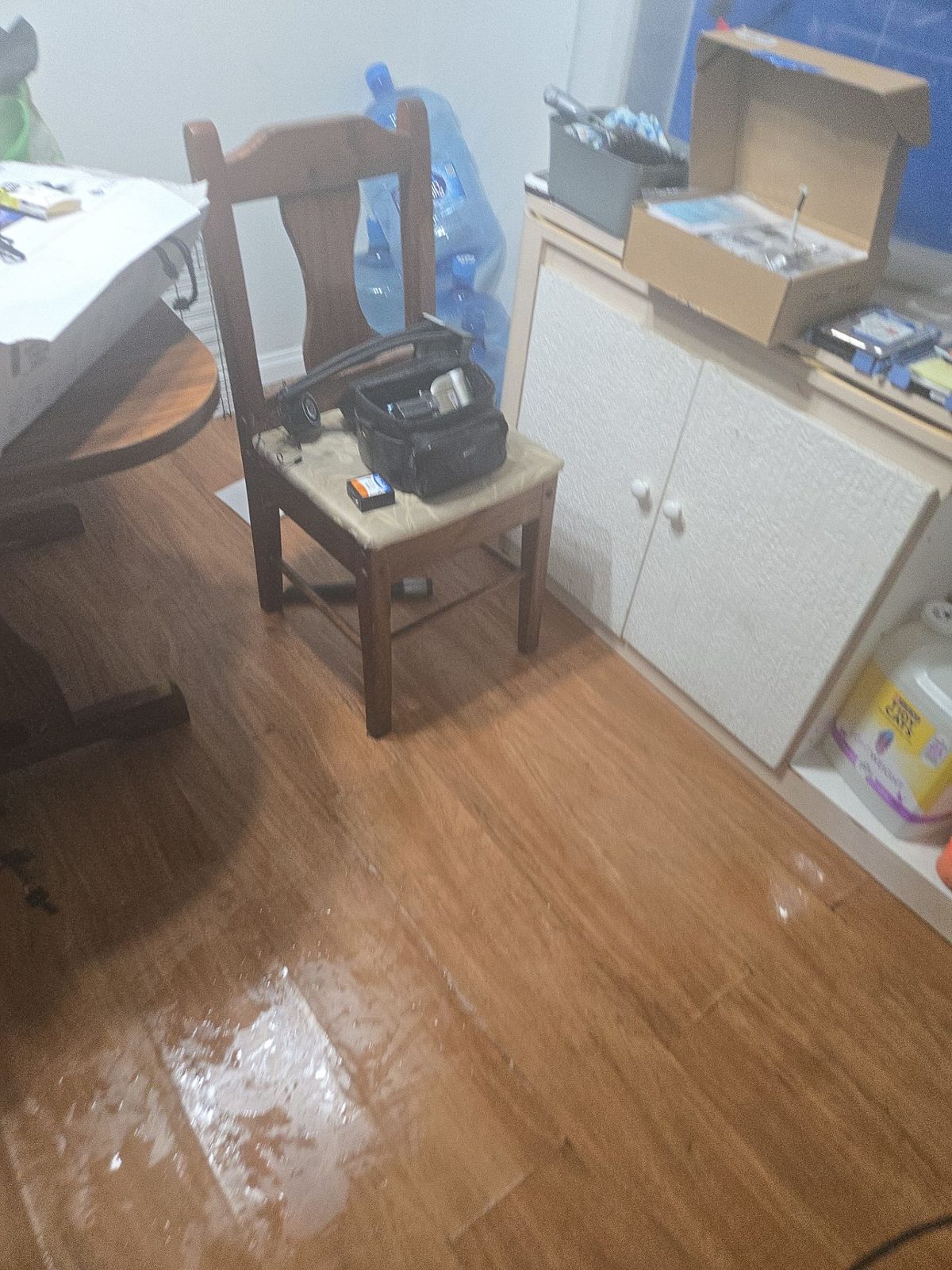
Water Damage Restoration in Coral Gables, FL
Water damage restoration Coral Gables work demands more care than almost anywhere else in South Florida, because so much of what gets wet here is irreplaceable. The City Beautiful was master-planned in the 1920s around Mediterranean Revival architecture — clay barrel-tile roofs, thick stucco-over-masonry walls, pecky cypress ceilings, original plasterwork — and a water loss in one of these homes is a preservation problem as much as a drying problem. Restoration Doctor of South Florida answers Gables emergencies 24/7 at (786) 213-9489, and we scope these houses for what they are, not as generic square footage.
The Gables' famous tree canopy is part of the story too. The oaks and banyans arching over Alhambra Circle and Granada Boulevard are close to a century old, and their roots have spent those decades finding the joints in the original clay and cast-iron drain lines beneath the yards and streets. Root-intruded, bellied, and collapsed sewer laterals are one of the most common origins of a Coral Gables water and sewage loss we see — failures that build silently underground until a backup arrives in the house.
Add low-lying streets along the Coral Gables Waterway that pond in heavy rain and take the edge of storm-driven high water, and the Gables ends up with a genuinely local risk profile. Here is how we handle each piece of it.
How water damage behaves in Coral Gables
Tree roots versus ninety-year-old drain lines
The canopy that makes the Gables the Gables is also its most persistent plumbing hazard. Ficus, banyan, and oak roots seek the moisture inside sewer laterals, entering at clay-pipe joints and cast-iron cracks and gradually choking the line. The homeowner's early warnings are subtle — slow drains, gurgling, an occasional backup after heavy laundry days — and the failure, when it comes, sends Category 3 sewage backing up into bathrooms and floor drains. We handle these losses under full sewage protocols: containment, removal of contaminated porous materials, disinfection, and verified drying, with the plumbing origin documented clearly for the insurance claim.
If your Gables home still runs its original lateral, a camera inspection is cheap insurance; a scoped and cleared line is far less expensive than the cleanup that follows a collapse.
Ponding streets and the Coral Gables Waterway
Parts of the Gables sit low, and the sections along the Coral Gables Waterway and the canal network toward Biscayne Bay see street ponding in hard summer rain and elevated water in storm events. When exterior water crosses a threshold or seeps in at slab level, it enters as contaminated water, and the affected flooring, baseboard, and lower wall materials have to be assessed honestly — Florida slab-on-grade homes take water at floor level first, and moisture wicks upward into walls and cabinetry from there. We extract, cut, and dry to the actual wet line established by instruments, not to a guess.
Storm losses here often pair roof and window intrusion with ground-level water, and we scope the envelope and the interior as one event so nothing falls between the cracks of the claim.
Drying historic materials without destroying them
Coral Gables enforces some of the strictest historic-preservation and aesthetic regulations in Florida, and designated properties can require Historic Preservation Board review for exterior work. Our mitigation approach fits that reality: we favor in-place drying of plaster, masonry, and original millwork wherever moisture readings support it, use injection and cavity-drying systems to reach wall interiors without demolition, and when material genuinely must come out, we remove the minimum and document everything for both the adjuster and any preservation review that follows.
Where lingering moisture in these dense assemblies has already produced mold, we remediate under the IICRC S520 standard — containment, HEPA-filtered air handling, and controlled removal — because historic interiors deserve better than a bleach wipe-down, and so does the family breathing the air.
Coral Gables homes and how they fail
The historic core of Coral Gables — the streets fanning off the Granada and Alhambra entrances, the country-club sections, and pockets like the French Village and Chinese Village — is 1920s masonry: oolitic limestone and block walls under thick stucco, clay barrel-tile roofs, and interiors finished in true plaster rather than drywall. These assemblies handle water differently than modern construction. Masonry and plaster absorb moisture slowly and release it slowly, so a leak can saturate a wall for weeks before symptoms show, and drying it afterward takes controlled, monitored dehumidification rather than a few days of fans. The reward for patience is that plaster and masonry can very often be dried and saved — and in a Gables home, saving original material is the whole game.
Barrel-tile roofs deserve their own mention. The tile itself sheds most of the water; the underlayment beneath does the real waterproofing, and on older roofs that underlayment is often decades past its intended life. Slipped tiles and failed underlayment let wind-driven rain into the roof deck, where it travels along framing and appears as a ceiling stain far from the entry point. The Gables also has post-war ranches south of the historic core and condo and rental buildings along Ponce de Leon and near the Douglas corridor, where the losses look more conventional — supply lines, water heaters, and aging drain stacks.
Coral Gables neighborhoods we serve
Real Miami-Dade County communities — and the water losses we most often see in each.
The signature 1920s Mediterranean blocks — plaster, masonry, and barrel tile that reward careful in-place drying.
Larger historic estates under heavy canopy, where root-intruded original drain lines drive sewage backups.
Small clusters of landmark 1920s themed homes where preservation stakes are highest and demolition is a last resort.
Low-lying streets along the canal that pond in summer downpours and see elevated water in storms.
Condo and apartment buildings plus commercial space, with conventional supply-line and drain-stack losses.
Post-war slab-on-grade ranches where floor-level water wicks into walls and cabinetry quickly.
Full restoration services in Coral Gables
One operation covers every category — from emergency mitigation to full reconstruction.
Water Damage Restoration
Extraction, structural drying, and moisture verification for supply-line failures, drain-stack leaks, and unit-to-unit water migration in South Florida buildings.
Storm & Hurricane Damage Restoration
Emergency board-up, tarping, storm-water extraction, and post-hurricane structural drying for homes and buildings across Miami-Dade, Broward, and Palm Beach.
Mold Remediation
S520-based mold remediation: containment, HEPA-filtered removal, moisture-source correction, and post-remediation verification for South Florida homes and condos.
Sewage Cleanup
Category 3 water mitigation: sewage extraction, contaminated material removal, disinfection, and structural drying for backups and drain failures.
Fire & Smoke Damage Restoration
Structure securing, soot and smoke residue removal, odor treatment, and combined fire-and-water mitigation for South Florida properties.
Contents Restoration & Pack-Out
Full-chain contents handling: barcode-tracked inventory, pack-out, restoration cleaning, climate-controlled storage, and organized pack-back.
What Coral Gables homeowners look for
Gables homeowners are exacting about who works on their houses, and they should be — these are not interchangeable properties. Rather than printing our own scorecard here, we keep verified customer reviews on a dedicated source-linked hub at restorationdoctorsreviews.com, where you can read real feedback and the actual Google aggregate before you decide. Then call (786) 213-9489.
Restoration Doctor of South Florida is part of the multi-state Restoration Doctor operation headquartered in Vienna, Virginia — a company with a track record behind it, serving the Gables from our Miami office on Brickell Avenue a short drive up US-1.
Frequently asked
Active water, mold, fire, or sewage event?
Connect directly with the Restoration Doctor team for your region. Crews are on standby 24/7 with documented response protocols.