
Secondary Damage: The One Word That Decides How Much of Your Claim Gets Paid

BYSteve Jafari, General ManagerMIAMI-DADE, BROWARD & PALM BEACH
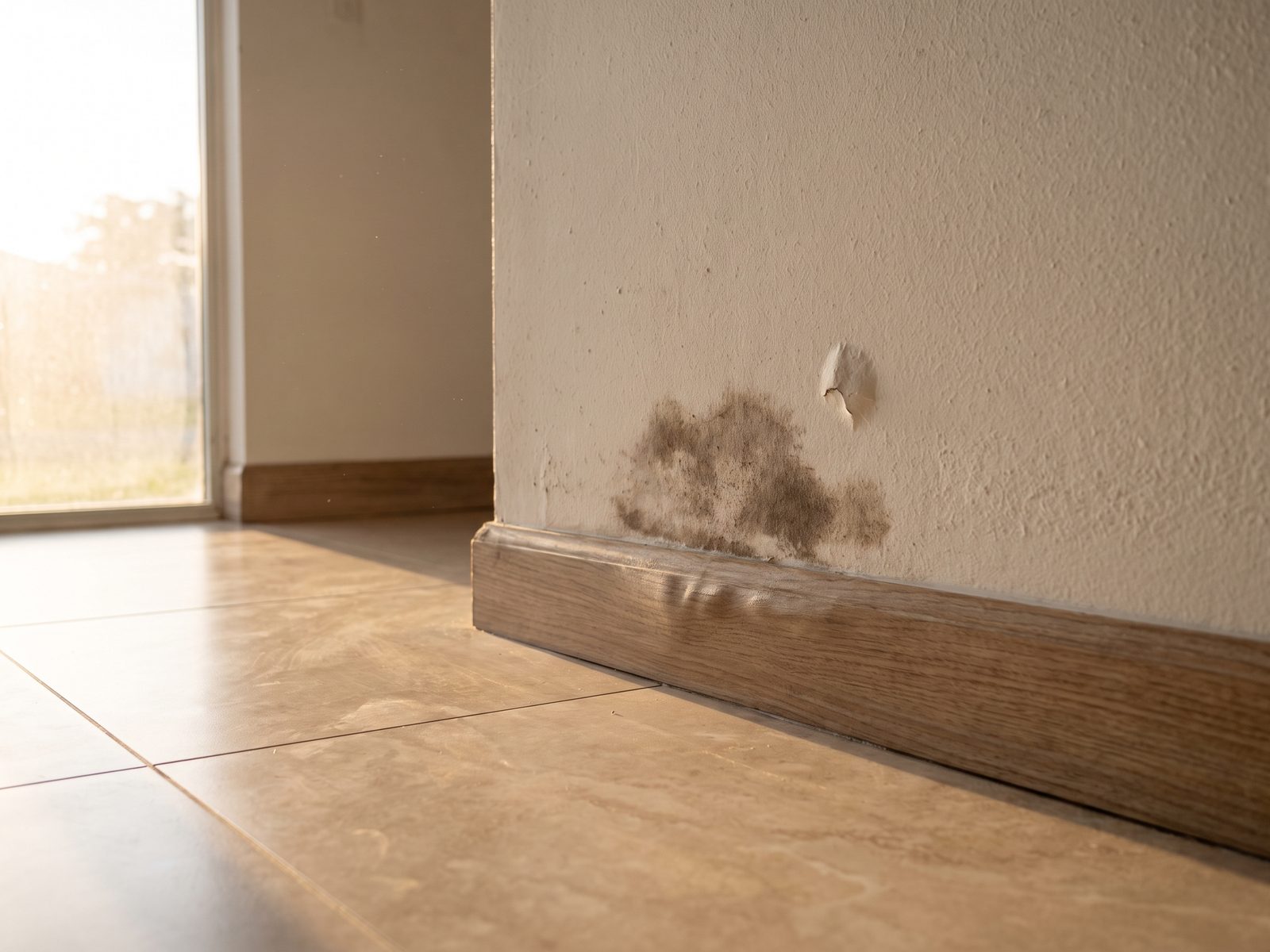
Secondary damage is the deterioration that humidity causes after the original water event, and many Florida policies push it back onto the homeowner when mitigation was delayed. The defense is timestamped: photographs, moisture readings and equipment start times that show drying began before the humid air had a chance to do its own damage.
Call (786) 213-9489What is secondary damage on a water claim?
Secondary damage is the harm that follows the water rather than the harm the water did on contact. On a water damage claim, the original event is the primary damage, and everything that elevated humidity and trapped moisture ruin in the days afterward is secondary damage. A supply line that lets go under a kitchen sink soaks the cabinet base and the tile bed, and that is primary. The swollen door jamb days later, the cupping in the plank floor, the musty smell in the closet, those are secondary.
The distinction matters because carriers treat the two differently. Primary damage rides on whether the event itself is covered. Secondary damage is tied to what happened next, which means it is tied to what the homeowner did next. Most policies carry a condition requiring the insured to protect the property from further loss, and that condition is where a partial denial usually starts.
In South Florida the gap between the two closes fast. Outdoor humidity here stays high for most of the year, and inside a closed house with the air handler off, the air stays loaded. Materials that would survive a slow dry-out in a cooler market can be past saving here in a fraction of that time. That is why adjusters here ask about the mitigation timeline first.
- Primary damage: what the water touched when it arrived.
- Secondary damage: what the humid air did to materials the water never reached.
- Your policy's duty-to-protect condition is what puts secondary damage in play.
How is secondary damage different from the original water damage?
Primary damage is direct and immediate. Water hits a material, the material absorbs it, and the loss shows right away. Secondary damage is indirect and delayed. Moisture leaves the wet material, loads the air, and the air redeposits it into dry materials elsewhere. A closet two rooms away can take on moisture from a bathroom leak without a drop of water crossing the threshold.
Policy language uses several overlapping words for this, and they are not interchangeable. Resulting damage and ensuing loss are contract terms with specific carve-backs. Secondary damage is the field term crews and adjusters use for humidity-driven deterioration. The table below sets them side by side, because a denial letter will use one of these words and the rest of the conversation turns on which one.
| Term | What it means | Typical examples | How it usually lands |
|---|---|---|---|
| Primary damage | Harm the water event caused directly, at the moment it happened. | Soaked drywall under a failed supply line, saturated carpet pad, wet cabinet kick | Follows the covered peril, subject to deductible and terms |
| Secondary damage | Deterioration from elevated humidity and trapped moisture after the event. | Cupped flooring, blistered paint, swollen trim, corroded hardware, mold growth | Usually paid when mitigation was prompt, contested when it was delayed |
| Resulting damage | Policy wording for harm flowing from a covered cause. | Ceiling stains below a covered roof breach, rot under a covered pipe failure | Follows the covered cause unless a named exclusion reaches it |
| Ensuing loss | A carve-back restoring coverage for damage that follows an excluded cause. | Water damage that follows an excluded workmanship or design defect | Depends on the exact carve-back wording in the form |
| Long-term seepage | Slow leakage over weeks or months, treated as maintenance, not a sudden event. | Rot behind a shower pan, stained subfloor under a weeping supply line | Commonly excluded or capped by a sub-limit |
What is my duty to mitigate, and when does the clock start?
Homeowners policies generally oblige the insured to take reasonable steps to protect covered property from further damage after a loss. Carriers word it differently. Some call it a duty to protect property, some fold it into the insured's duties after loss. The meaning is the same. Once you know water is in the building, you are expected to act like a reasonable owner and slow the damage down.
Carriers generally treat that clock as starting when you discover the water, not when the leak began. That distinction matters on a slow loss. If a supply line has been weeping behind a vanity for six weeks and you find it on a Tuesday, the hidden seepage is a separate coverage question, but your mitigation duty starts Tuesday.
Reasonable steps do not mean heroic ones. Shutting off the water, moving contents off wet flooring, reporting the loss, and getting a qualified crew started on drying all count. Tearing out finished materials before anyone has photographed them does not help you. Neither does waiting for the adjuster before drying starts, which is one of the costlier misunderstandings in this business.
- The duty begins when you discover the water, not when the leak started.
- Reporting the claim and starting mitigation are separate obligations. Do both.
- You need not wait for an adjuster before drying begins, and waiting usually costs you.
How fast does secondary damage actually develop in South Florida humidity?
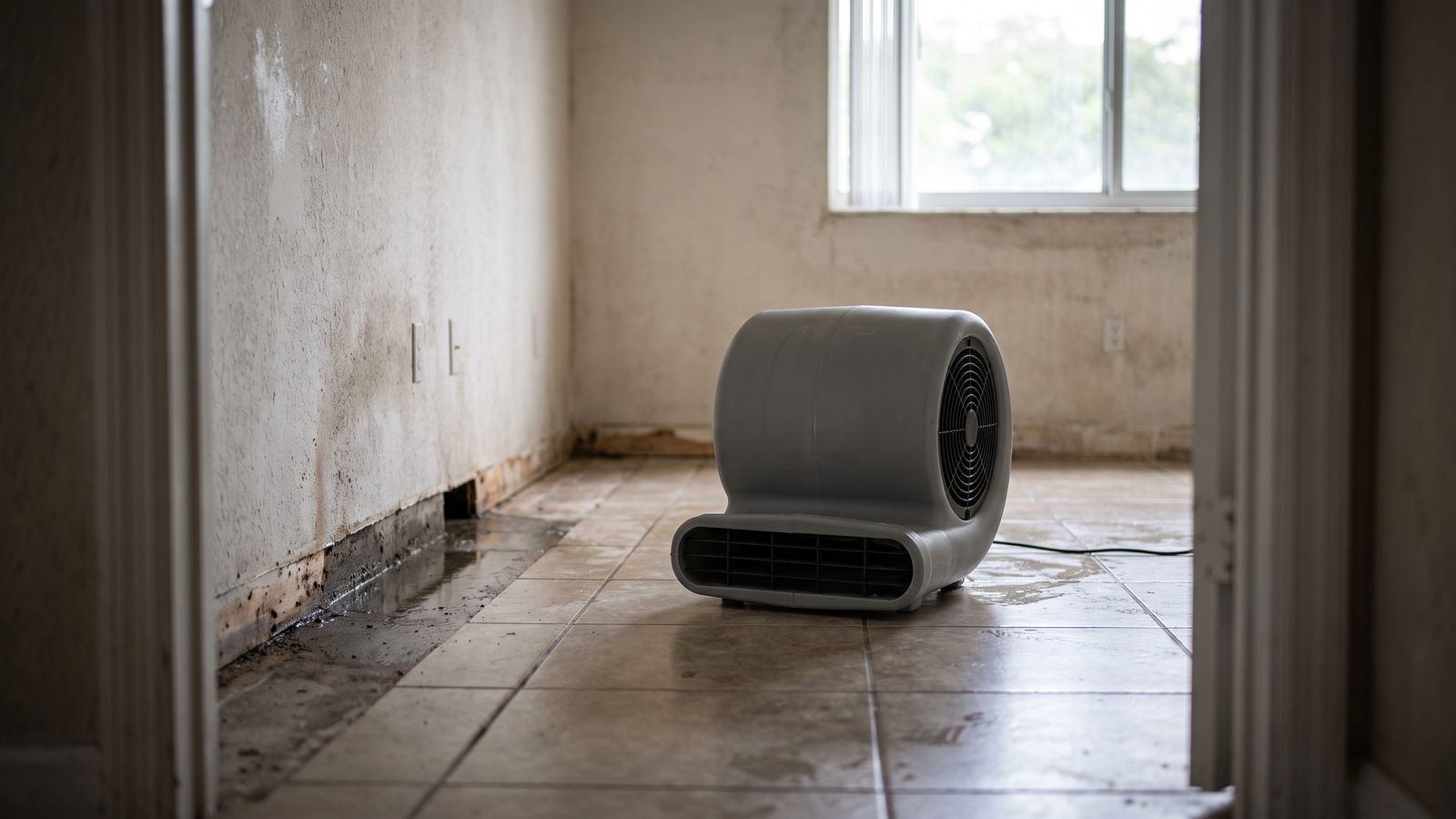
Faster than most homeowners expect, and faster than the timelines published for cooler markets. The EPA's guidance on mold, moisture and your home puts the number on the drying side rather than the growth side. Dry water-damaged areas and items within 24 to 48 hours to prevent mold growth, and in most cases mold will not grow. South Florida gives you the hard version of that window, because the air you are drying into is already wet.
The pattern on a slab home in Miami-Dade or Broward with the doors shut repeats itself. Early on, the wet materials give up moisture into the room and ambient humidity climbs. Not long after, that loaded air reaches drywall, baseboard and cabinetry the water never touched. By the time anyone calls, surfaces that started dry read wet on a pin meter, paint blisters at the wall base, and a smell develops. It is the same water, redistributed by air.
The Restoration Doctor network covers the onset clock on its sister site, restorationdoctors.com. The guide there on how fast mold follows a wet building is worth reading for the mechanics, with the caveat that a cooler climate buys time we do not get here.
Two local factors shorten the window further. Concrete block holds moisture in the cores and releases it slowly, so the wall keeps feeding humidity into the room after the visible water is gone. And a house that loses power loses its air conditioning, which is the only thing holding indoor humidity in a safe band.
What evidence shows mitigation started on time?
This is the part homeowners control, and it decides most disputes. An adjuster weighing whether deterioration is covered secondary damage or an uncovered consequence of delay wants a record with times attached. Memory does not survive that review. Timestamps do.
- 1. Photographs and video taken before anything is moved, with the camera's date and time intact. Wide shots of each room, then close-ups of the source.
- 2. The date and time you discovered the water, written down the same day, with who found it.
- 3. Your claim report confirmation, including the reference number and the time it was filed.
- 4. The equipment start time. An air mover placed on the afternoon of discovery is a hard fact to argue with.
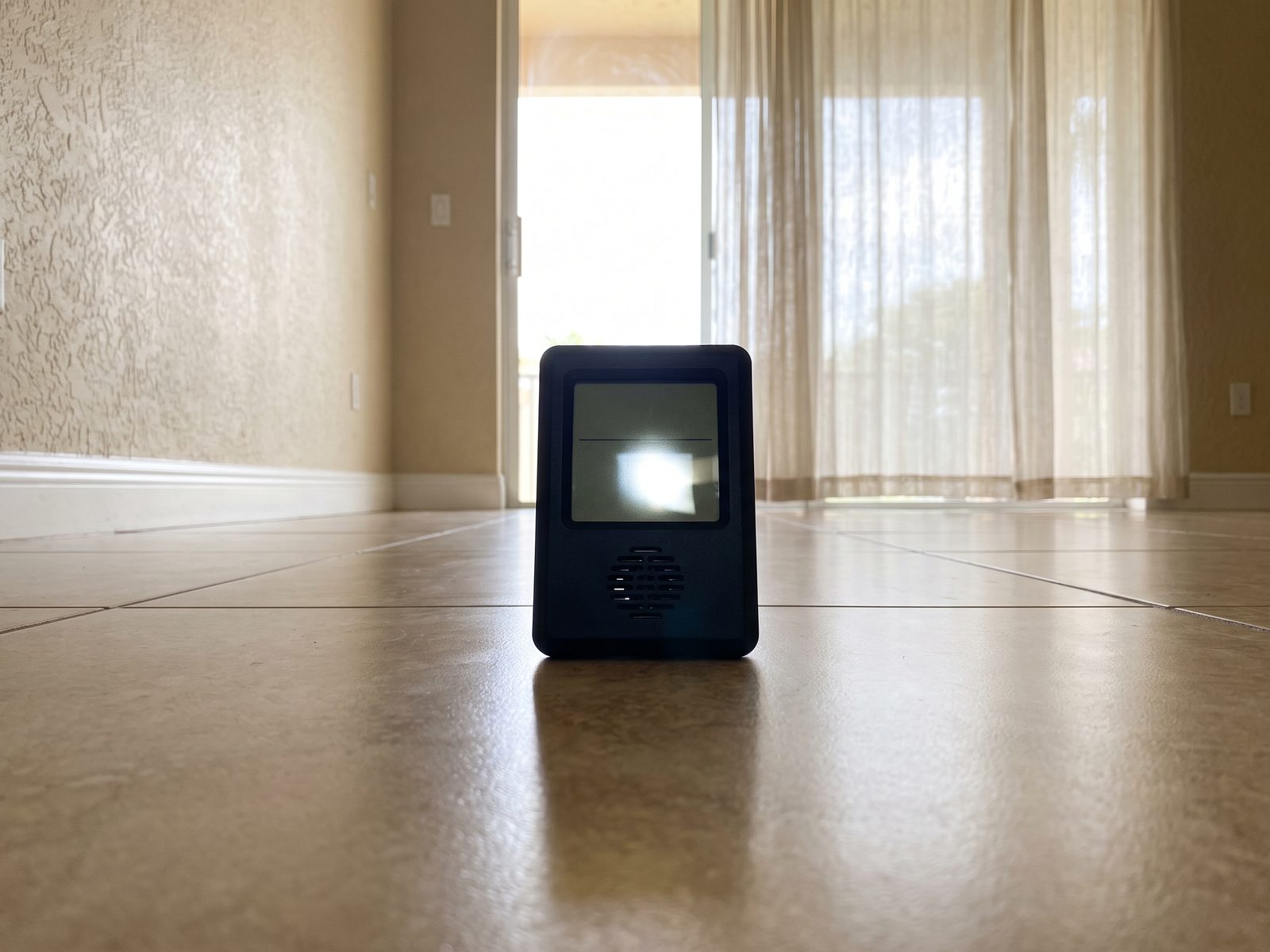
- 5. Initial ambient readings: temperature and relative humidity in each affected room, plus an unaffected room as a control.
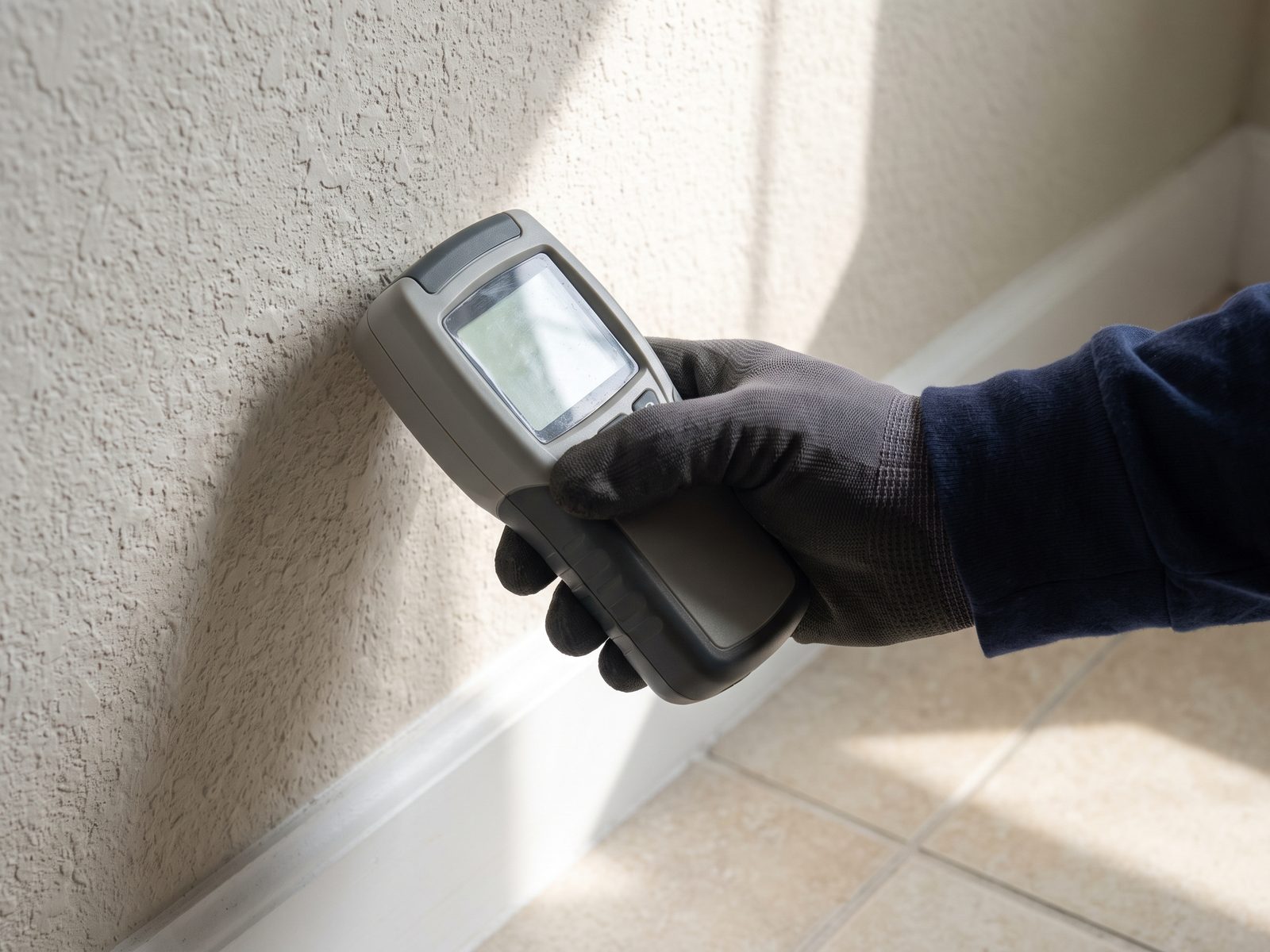
- 6. Initial moisture content readings taken with a meter on the actual materials, recorded per room.
- 7. Daily monitoring logs showing those readings falling toward a dry standard.
- 8. Receipts for tarps, fans, dehumidifier rental, or anything else bought to limit the loss.
How do adjusters decide a loss crossed into secondary damage?
An experienced adjuster reads a water loss backwards. They look at the condition of the materials, estimate how long that condition takes to develop, and compare it against the reported date of loss. When the two line up, the file moves. When the deterioration looks older than the claim, questions start.
Certain findings pull the file toward a delay argument. Tide lines with distinct layers suggest wetting and partial drying repeated over time. Corrosion on fasteners and hardware usually points to a longer exposure than a single recent event. Heavy mold colonization on gypsum is a different picture from surface growth. Cupped hardwood that has begun to check has been wet for a while, and so has drywall that crumbles at the base.
The adjuster is also reading the mitigation file itself. Daily logs with falling readings say a professional was engaged early and the loss was controlled. A single invoice with no readings, arriving long after the date of loss, says nothing and invites scrutiny. Documentation quality is read as a proxy for response speed, and it is easy to get right at the start and impossible to fix later.
- Layered tide lines on drywall, suggesting repeated wetting rather than one event.
- Corrosion on nails, plates, hinges and duct hardware in the wet zone.
- Advanced cupping, checking or delamination in wood flooring.
- A gap between the reported date of loss and the first equipment start time.
Does mold always count as secondary damage?
Mold is the most common form of secondary damage, but the two words are not synonyms. Mold is one outcome of prolonged elevated moisture. Swollen trim, blistered paint, delaminated cabinet boxes and warped flooring are all secondary damage with no mold involved. Treating the whole category as a mold question narrows the conversation in a way that rarely helps a homeowner. If someone in the home is worried about health effects, general guidance from the CDC is a better starting point than a contractor's opinion.
The coverage picture for mold is its own subject. Many Florida homeowners forms carry a fungus, mold or rot exclusion with a limited carve-back, often a fixed sub-limit for remediation when the mold follows a covered water event that was addressed promptly. Some policies offer a higher limit as an endorsement. The only way to know what applies is to read your own declarations page and exclusions section, or have a licensed public adjuster or an attorney read it with you.
On the field side, mold work follows the IICRC S520 standard and drying follows S500. Those standards govern containment, the condition classifications used to describe an affected area, and what verification looks like at the end.
What does a denial letter citing secondary damage usually mean?
A letter that partially denies a claim on secondary damage grounds is usually saying one of three things. The first is a delay argument: the carrier accepts the water event but contends the deterioration happened because mitigation started too late. The second is a causation argument: the condition predates the claimed event, which is the long-term seepage position. The third is an exclusion argument: the damage follows the event, but a named exclusion, usually mold or rot, reaches it.
Each calls for a different response, which is why the letter deserves a careful read before anyone replies. A delay argument is answered with the timeline evidence listed above. A causation argument is answered with readings and material condition. An exclusion argument is a policy-language question, and that one belongs with someone licensed to read policies for a living.
A denial letter is not the end of the process. Carriers reopen files on new information, and what reopens a secondary damage file is almost always documentary: a moisture log nobody had seen, or an equipment start time that contradicts the assumed timeline.
- Delay argument: mitigation started too late. Answer with timestamps.
- Causation argument: the damage predates the event. Answer with readings and material condition.
- Exclusion argument: a policy term reaches the damage. Answer through a licensed professional.
- Ask in writing which of the three the carrier asserts, and which provision it relies on.
What can I do if part of my claim is denied as secondary damage?
Start by assembling the file rather than by arguing. Pull every photograph with its original metadata, the readings, the equipment start times, the scope of work, and the correspondence trail. Put it in date order. A chronology a stranger can follow in five minutes beats any letter written about it.
Then match the evidence to the reason the carrier gave. If the letter says the deterioration is consistent with prolonged exposure, readings showing falling moisture content across the first week contradict that directly. If it questions when the loss was discovered, the claim report timestamp and the first photographs do the work. Respond to the stated reason, not to the tone.
Know when to bring in help. A licensed public adjuster represents the policyholder rather than the carrier, and can usually be brought in at most stages of a claim. An attorney is the right call when the dispute turns on policy wording. We do not decide coverage and never claim to. We build the file properly from the first visit and document to the standards the carrier expects. We bill you, the homeowner, and hand you a carrier-ready claim file.
If you are reading this before the water has dried, the highest-value action available is starting professional drying today and writing down the time you did it.
- EPA, A Brief Guide to Mold, Moisture and Your Home
- CDC, mold and your health
- IICRC standards, including S500 for water damage restoration and S520 for mold remediation


