Why Doesn't the 'Other Contractor's Estimate' Match on a Miami Water Damage Claim?

BYSteve Jafari, General ManagerMIAMI-DADE & BROWARD
A comparative estimate water damage claim in Miami often comes in low because it is built on dry-climate assumptions that ignore 70-78% year-round humidity, high-rise elevator and access logistics, occupied-building containment, and multi-unit vertical drying — all of which force more dehumidifier equipment-days than the estimate allows. The gap is usually structural, not a judgment call, and it is correctable with daily moisture logs and a line-item scope. If your estimate feels like a lowball, get an independent, IICRC S500-based scope before you accept payment.
Call (786) 213-9489Why doesn't the other contractor's estimate match my Miami water damage claim?
Because a comparative estimate on a Miami water damage claim is usually built on national or dry-climate software defaults that do not account for how long materials actually take to dry in South Florida. When outdoor humidity sits at 70-78% for most of the year, your drying equipment has to work against a wetter atmosphere, which means more dehumidifier and air-mover equipment-days than an estimate written for an arid inland market would ever assume. That single difference — equipment-days — is where most of the dollar gap lives.
A comparative estimate is the scope an insurer commissions from a third party to 'compare' against the estimate your own contractor wrote. It is not inherently fraudulent, but it is frequently a lowball estimate for water damage because the person who wrote it never set foot in your unit, never pulled a moisture reading behind your baseboards, and never factored the elevator queue, the containment, or the vertical path the water took through your building. The result is an underpaid water damage claim in Miami that reflects a spreadsheet, not your property.
The honest answer to 'why don't these two numbers match' is that they are measuring two different jobs. Your contractor priced the job that exists in your home. The comparative estimate often priced the average job in an average climate. In South Florida, the average climate is the problem.
What is a comparative estimate and why does the insurer send one?
A comparative estimate is a competing line-item scope an insurance carrier obtains — usually from a preferred vendor or a desk adjuster using estimating software — to measure against the estimate submitted on your behalf. Insurers use it to validate or dispute the cost of your claim, and under Florida law they are entitled to investigate what they pay. The problem is not that they compare; it is what they compare against.
Most comparative estimates are generated in the same industry software your own contractor uses, but the two documents can diverge wildly based on the assumptions loaded into them: how many air movers per room, how many days of dehumidification, whether antimicrobial application is included, whether drywall is dried in place or removed. Change those assumptions and you change the total by thousands of dollars on the same loss.
Here is the key framing homeowners miss: the comparative estimate exists to protect the carrier's payout, not to rebuild your home. That is exactly why you want an independent scope written by the people who actually dried your property. Restoration Doctor of South Florida bills you, the homeowner, directly and hands you a carrier-ready claim file — Xactimate line-item scope, CompanyCam photo documentation, and daily moisture logs — so you are negotiating from evidence, not opinion. We work for you, not your insurance company.
Why is a lowball water damage estimate structurally wrong in South Florida?
A lowball water damage estimate is structurally wrong in South Florida because the single biggest cost driver in any drying job — equipment-days — scales directly with ambient humidity, and Miami's humidity is among the highest in the continental United States. Psychrometrically, evaporation from wet materials depends on the vapor pressure difference between those materials and the surrounding air. When that surrounding air already carries 70-78% relative humidity, the gradient is smaller, drying is slower, and you need more machine time to reach the documented drying goals the IICRC S500 requires.
A dry-climate estimate might assume a structure returns to its drying goal in three equipment-days. The same wet drywall in a Brickell high-rise, with the building's air handling pushing humid outdoor air through the corridors, can take meaningfully longer and require more dehumidification capacity. The comparative estimate rarely adjusts for this. It applies a default and moves on.
This is why the gap is not a 'difference of professional opinion' — it is a measurement error. The correct number comes from moisture content readings taken daily against a documented drying goal, not from a software default. When a job is dried to standard and logged, the equipment-days are defensible. When it is estimated from a desk, they are guessed.
- Higher ambient humidity shrinks the vapor-pressure gradient, slowing evaporation from wet materials.
- Slower drying means more dehumidifier and air-mover equipment-days — the primary line-item cost.
- Dry-climate software defaults underestimate those equipment-days for Miami-Dade and Broward conditions.
- Mold can begin to colonize within 24-48 hours here, so under-drying is also a secondary-damage risk.
How do high-rise and multi-unit logistics change the real scope?
High-rise and multi-unit buildings change the real scope because access, containment, and vertical water migration add labor and equipment that a single-family dry-climate estimate never contemplates. In a Miami condo or apartment tower, crews cannot simply park at the door and run hoses to a truck. Equipment moves through a shared, often reserved, service elevator; containment has to protect occupied neighboring units; and water that entered on one floor frequently tracks down through slab penetrations and wall cavities into the units below.
Each of those realities is a line item. Elevator scheduling and restricted move windows extend labor hours. Occupied-building containment — poly barriers, negative air, HEPA filtration — is required to keep the rest of the building habitable while your unit dries. And when a single leak affects three stacked units, you are no longer drying one bathroom; you are managing a vertical drying project across multiple ceilings, floors, and shared assemblies.
A comparative estimate built for a suburban ranch house simply has no fields for most of this. That omission is one of the most common reasons a Miami water damage claim comes back underpaid. Our water damage restoration teams scope the building as it actually is — vertical, occupied, and access-restricted — because that is the only scope that will actually dry it.
| Cost driver | Why it applies in South Florida | Typical estimate gap |
|---|---|---|
| Extra equipment-days | 70-78% ambient humidity slows drying to the S500 drying goal | Under-counted dehumidifier/air-mover days |
| Elevator & access logistics | Reserved service elevators and restricted move windows extend labor | Labor hours omitted entirely |
| Occupied-building containment | Neighboring units must stay habitable during drying | Containment and negative air left out |
| Vertical/multi-unit drying | Water migrates down through stacked units and shared assemblies | Only the origin unit is scoped |
| Antimicrobial application | Fast mold onset (24-48 hrs) requires treatment where warranted | Line item deleted or reduced |
When does the water damage underpayment window actually open?
The underpayment window opens on the insurer's pay-or-deny clock, not on the date of the storm. In Florida, carriers operate under statutory timelines to acknowledge, investigate, and pay or deny a claim, and the comparative estimate is the tool that often arrives right as that clock runs down. After a major storm, thousands of claims hit at once, and the compressed desk-adjusting that follows is exactly when dry-climate software defaults get applied at scale.
That timing matters for you. The lowball comparative estimate frequently lands weeks after the water event, once your drying is already done and the equipment is gone — which means the carrier is evaluating a loss it can no longer see without your documentation. If your contractor did not log daily moisture readings and photograph the affected materials before removal, the comparative estimate becomes the only 'evidence,' and it wins by default.
This is the single most important reason to document from day one. A claim dried without logs is a claim argued from memory. A claim with daily moisture logs, psychrometric readings, and photo documentation is a claim argued from record. When the underpayment window opens, the homeowner with the record is the one who gets made whole.
How do I read my comparative estimate for missing line items?
Read your comparative estimate line by line against your contractor's scope and look specifically for equipment-days, containment, antimicrobial treatment, and the drying standard used. The dollar total at the bottom tells you nothing useful; the quantities inside tell you everything. A claim is underpaid not because the total is low but because specific, necessary line items were cut, reduced, or never entered.
Start with the drying equipment. How many air movers and how many dehumidifier days did each estimate assume? If the comparative estimate assumes fewer machine-days than your actual documented drying required, that is your first and usually largest gap. Then check whether 'dry in place' was substituted for 'remove and replace' on materials that were too saturated to salvage — a quiet but expensive downgrade.
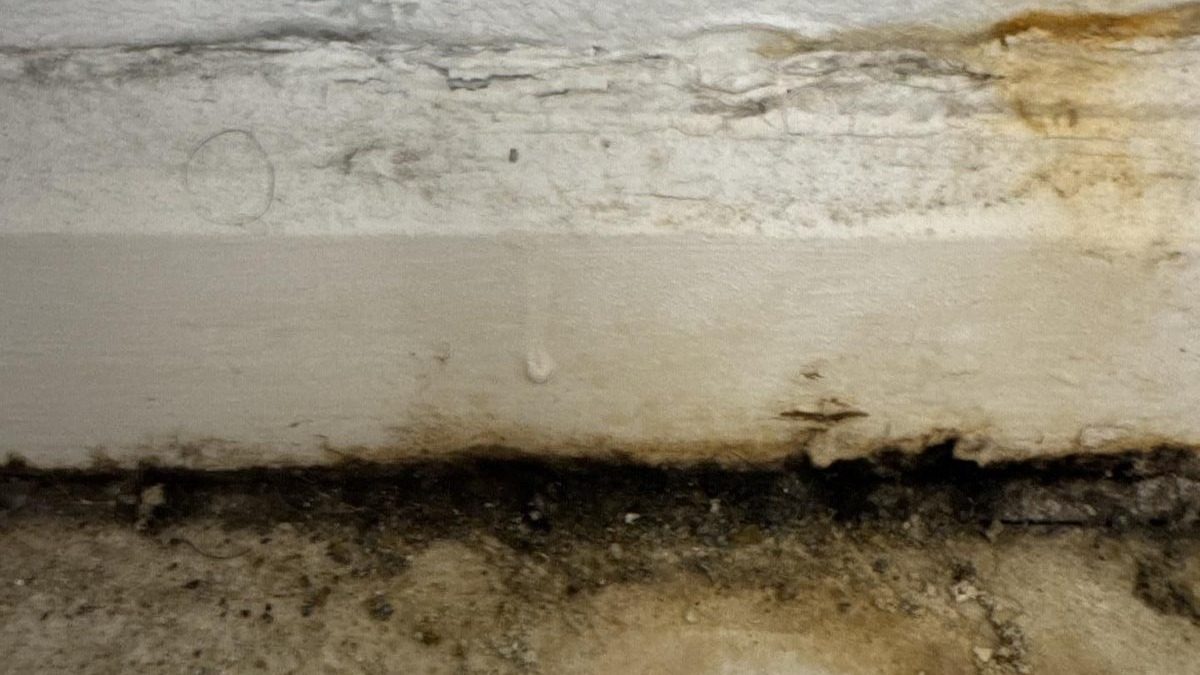
Next, confirm that containment, HEPA air filtration, and antimicrobial application survived in the carrier's version. In an occupied Miami building with fast mold onset, those are not optional add-ons. If they vanished from the comparative estimate, the carrier priced a job that would not actually restore your property to a safe, dry condition.
- Equipment-days: compare air-mover count and dehumidifier days, not the total.
- Remove-and-replace vs. dry-in-place: watch for a quiet downgrade on saturated materials.
- Containment and HEPA negative air: required in occupied multi-unit buildings.
- Antimicrobial application: often necessary given 24-48 hour mold onset locally.
- Drying standard and moisture readings: the scope should reference a documented drying goal.
What should I do if my water damage claim is underpaid in Miami?
If your water damage claim is underpaid in Miami, do not accept or cash the settlement as 'final' until an independent, IICRC S500-based scope has been compared against the carrier's number. A payment you accept can be harder to reopen, and a lowball comparative estimate is specifically designed to look like a reasonable final offer. The gap is usually recoverable, but only while the claim is still open and the documentation still exists.
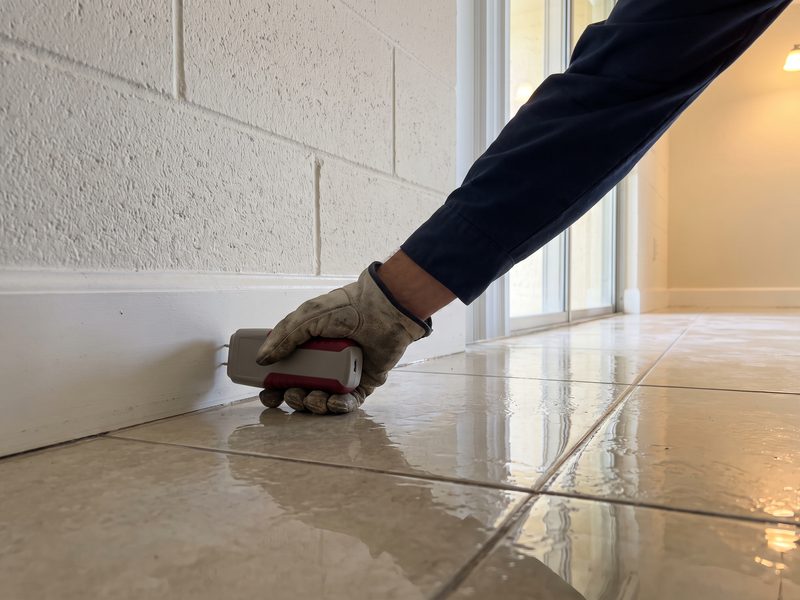
Gather your evidence first: the daily moisture logs, the psychrometric readings, the before-and-after photos, and the line-item scope of what was actually done. Then have those compared against the comparative estimate, field by field, so each disputed item is tied to a measurement rather than an argument. This is the difference between saying 'I think it cost more' and showing 'the structure read above the drying goal for two additional days, documented here.'
Expect the real figure to land in the thousands — water damage restoration in a humid, high-rise market generally does — and understand what moves that number: how much water intruded, how far it migrated through the building, how much saturated material had to be removed, and how many days of dehumidification it took to reach the drying goal. The only honest final figure comes after an on-site inspection, which is exactly why a desk-written comparative estimate so often misses. Reach out through our contact page or call (786) 213-9489 for 24/7 dispatch across Miami-Dade and Broward.
How does Restoration Doctor document a claim so it can't be lowballed?
Restoration Doctor of South Florida documents every water loss with a line-item scope, photo documentation, and daily moisture logs built to ANSI/IICRC S500 standards, so your claim is argued from measurements rather than memory. We bill you, the homeowner, directly and hand you a carrier-ready claim file — the same file that makes a comparative estimate's missing line items obvious. We work for you, not your insurance company, and that distinction shapes how we document every day on site.
Our crews record psychrometric data — temperature, relative humidity, and material moisture content — daily against a defined drying goal, which is precisely the data a dry-climate comparative estimate lacks. When a carrier's scope assumes three equipment-days and your structure demonstrably read above the drying goal on day four, the log settles it. We photograph saturated materials before removal so a later desk review cannot pretend they were salvageable.
For losses involving mold risk — common here given 24-48 hour onset — we follow ANSI/IICRC S520 protocols, and for contaminated Category 3 water we apply the sewage and biohazard procedures that category requires. The documentation standard is the same throughout: build the record while the evidence is still visible, so that when the underpayment window opens, your claim already holds. Learn more about our water damage restoration and mold remediation services, or review common questions on our FAQ page.