When South Florida Water Losses Actually Happen: A Month-by-Month Map

BYSteve Jafari, General ManagerMIAMI-DADE, BROWARD & PALM BEACH
South Florida stacks four separate loss drivers across the year: wet-season convection, the late-summer hurricane peak, autumn king tides and the winter return of seasonal owners who find months-old leaks. Mapping them onto one calendar shows why the quiet months are the right window for prevention work and why two of the year's peaks have nothing to do with storms.
Call (786) 213-9489When do most water damage losses happen in South Florida?
Most South Florida water losses land in two long stretches, and the rainy season flooding months are only half the picture. The wet season from mid May to mid October carries the steady volume of roof and drainage calls. A second peak then arrives between November and January, when seasonal owners open a unit that has been shut since spring.
Four drivers run on four different clocks here. Wet-season convection is a daily afternoon pattern. The Atlantic hurricane season is a low-frequency overlay with a sharp peak in the fall. King tides push salt water up through storm drains on clear days. The winter return is not weather at all. It is a discovery pattern created by empty buildings.
People assume all four sit on top of each other in September. They do not, and two of the year's busiest windows involve no named storm.
| Driver | Months it runs | What it does to buildings |
|---|---|---|
| Wet-season convection | Mid May to mid October | Afternoon downpours that find roof penetrations, window perimeters and blocked drains. High frequency, mostly small losses. |
| Atlantic hurricane season | June 1 to November 30, peak September 10 | Wind-driven rain and envelope failure across a whole building at once. Low frequency, high severity. |
| King tides and high tide flooding | Late summer into late autumn, worst near new and full moons | Garage and ground-floor flooding on days with no rain. Salt water into elevator pits and storage. |
| Return of closed seasonal units | November to January | Discovery losses. A supply line or appliance failed weeks earlier with nobody there to hear it. |
When is the South Florida wet season, and what does it cause?
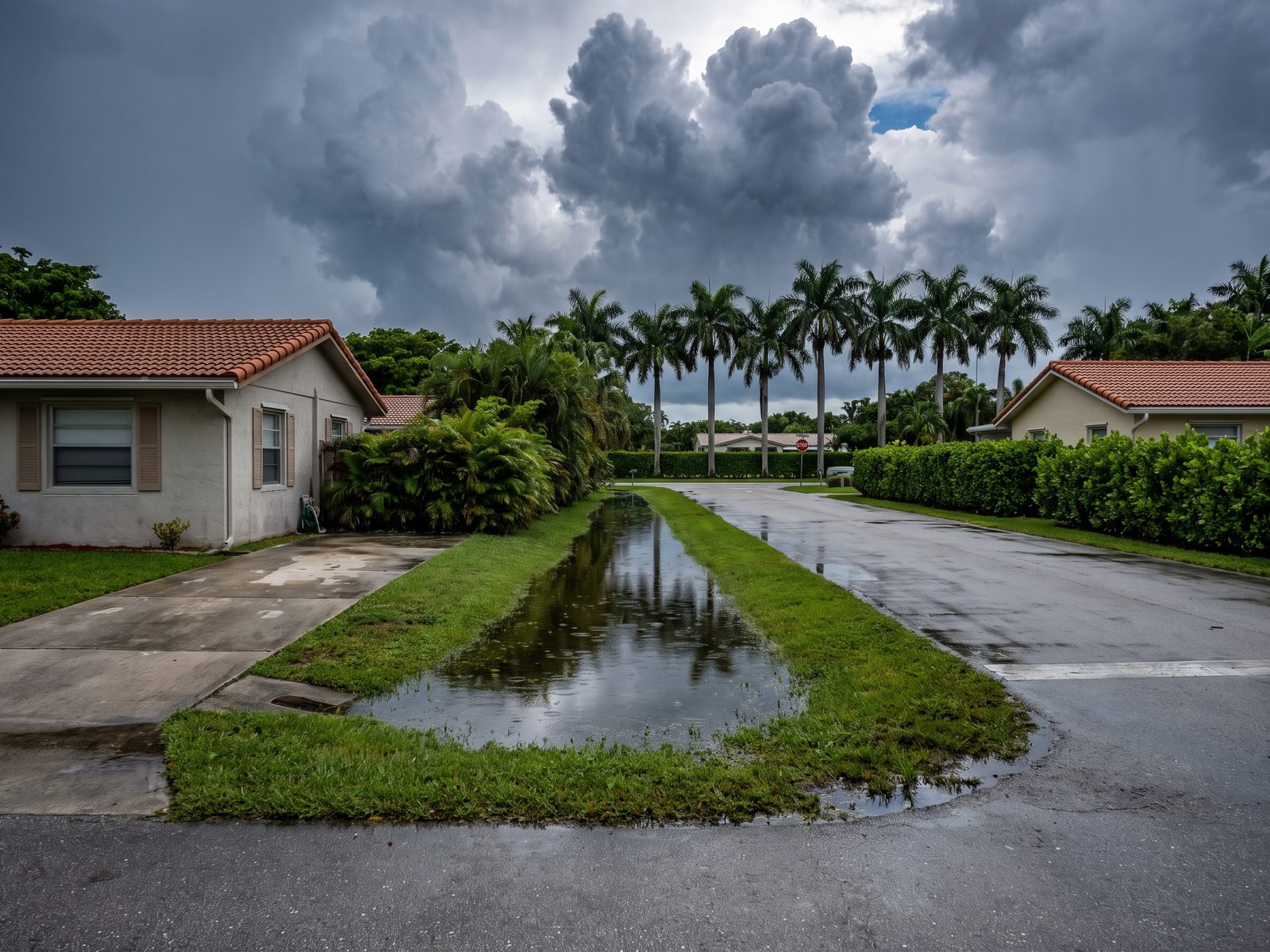
The wet season runs from roughly mid May to mid October, and it is a convective pattern rather than a storm pattern. Heat builds through the morning, sea breezes collide over land in the afternoon, and a short, very intense downpour follows. It can drop more water in an hour than the drainage was designed to move.
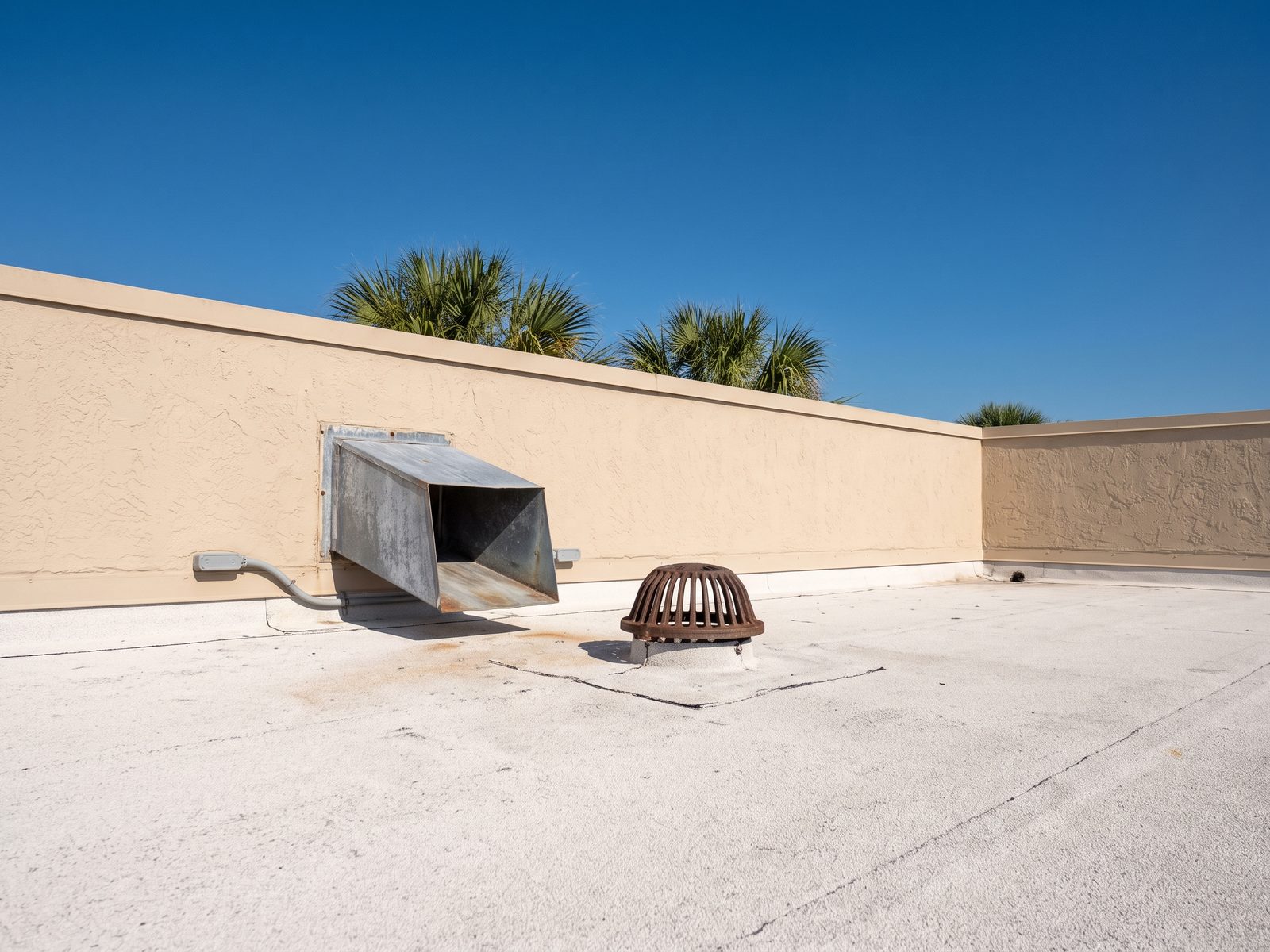
That intensity does the damage, not the seasonal total. A roof detail that sheds steady rain will back up under a downpour. A scupper with a palm frond across it turns a flat roof into a shallow pond. A silted-up courtyard drain sends water toward the ground-floor slider instead of away from it.
High outdoor dew points sit over all of it for months. Anything that gets wet in June stays wet unless somebody dries it on purpose, which is why wet-season leaks become mold calls far more often than dry-season leaks do.
- Clear roof drains, scuppers and gutters before mid May rather than during the first storm of June.
- Walk the building after the first serious downpour. New stains appear within a day of the event that caused them.
- Treat every wet-season leak as a drying job. Nothing air-dries at these humidity levels.
When does hurricane season actually peak?
The Atlantic hurricane season runs from June 1 to November 30, and the National Hurricane Center places the climatological peak on September 10, with most activity between mid August and mid October. June and July are officially in season but rarely drive volume. Late August through early October does.
Storm water does not behave like a wet-season leak. It arrives everywhere at once, enters through the envelope rather than one failed detail, and puts a whole street into the same queue on the same morning. It also splits into two coverage questions that look identical from a wet living room. Water blown through a breached roof is generally treated as wind-driven rain. Water that rose off the ground is generally treated as flood, which most homeowner policies exclude.
This page is a map of averages, not a forecast. It says nothing about what any particular season will do, and nothing about the risk at any particular address.
- June and July: in season, low activity, and the last good window for roof and opening repairs.
- Mid August to mid October: the concentrated window, where deferred maintenance gets tested.
- Photograph the building before the season. A dated before image is the cheapest claim evidence there is.
What are king tides, and which months do they hit?
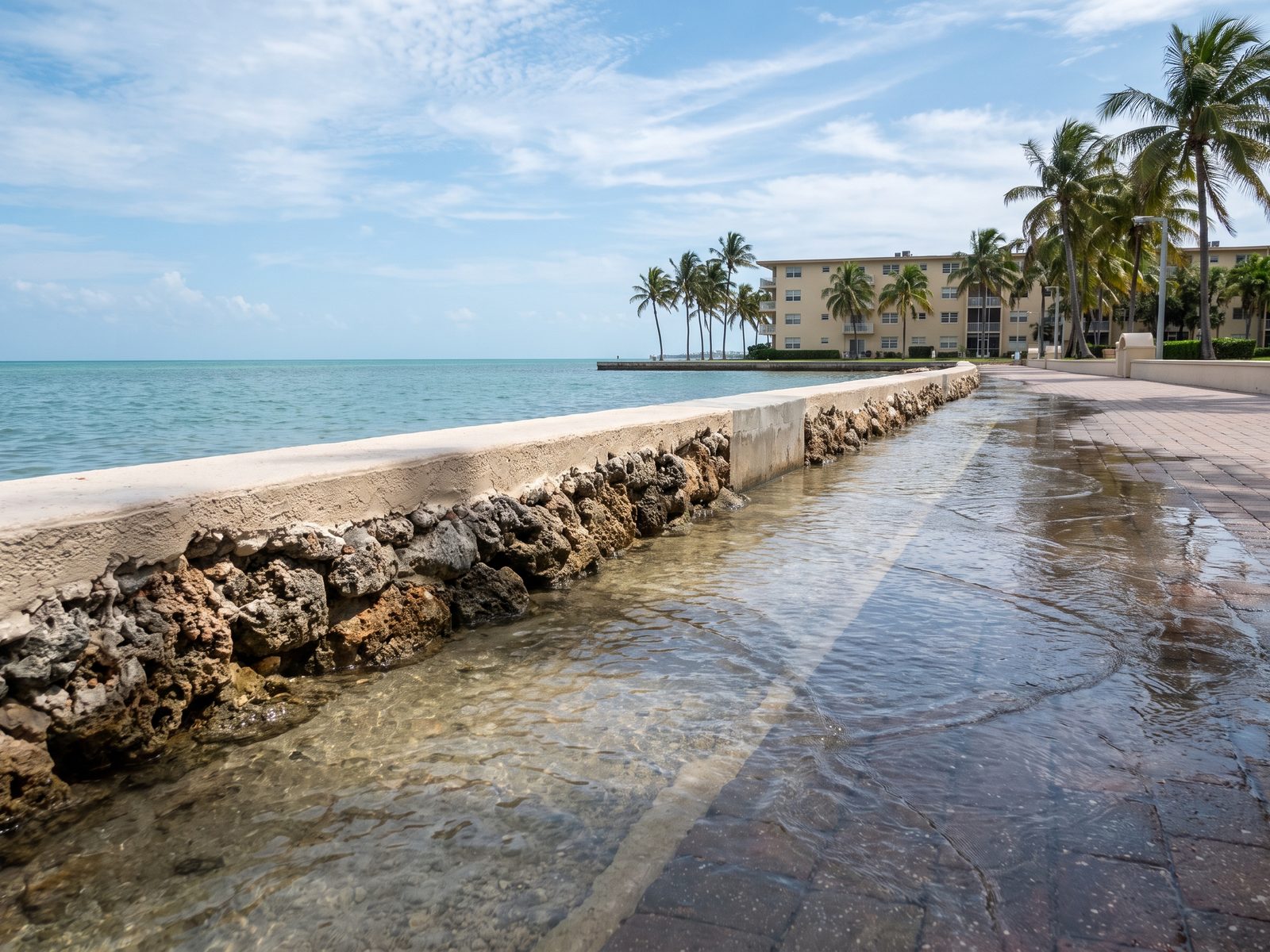
King tide is a popular, non-scientific term for an exceptionally high tide. NOAA describes these higher than normal tides as occurring around a new or full moon, and when the moon is closest to the earth in its orbit. Stack that alignment on seasonally elevated water levels and the tide reaches places it does not reach the rest of the year. Locally the window people talk about runs through the autumn.
What separates king tides from everything else on this calendar is that they flood on clear days. NOAA calls it high tide flooding and notes the sunny day nickname, because the water inundates streets with an empty sky overhead. On low ground it commonly backs up through the storm drains first. Owners underestimate it for that reason. There is no storm to blame, so it reads as a street problem until it reaches the garage.
Near the water in Miami Beach, along the Intracoastal or on a low street in Fort Lauderdale, the damage pattern is specific and it is salt. Water enters parking structures, elevator pits, ground-floor storage and lobby finishes. Salt is far harder on metal and elevator equipment than rain is, and it keeps working after the level drops. Tide predictions are published in advance, so this is the one driver you can schedule around.
- Look up predicted high tides for your own station. Timing varies by hours across the region.
- Salt water in an elevator pit is an equipment emergency. Pump it and have the gear inspected before the cab returns to service.
- Rinse anything the tide touched with fresh water as soon as it is safe, and check drain check valves before the fall.
Why does the snowbird return in November through January create its own peak?
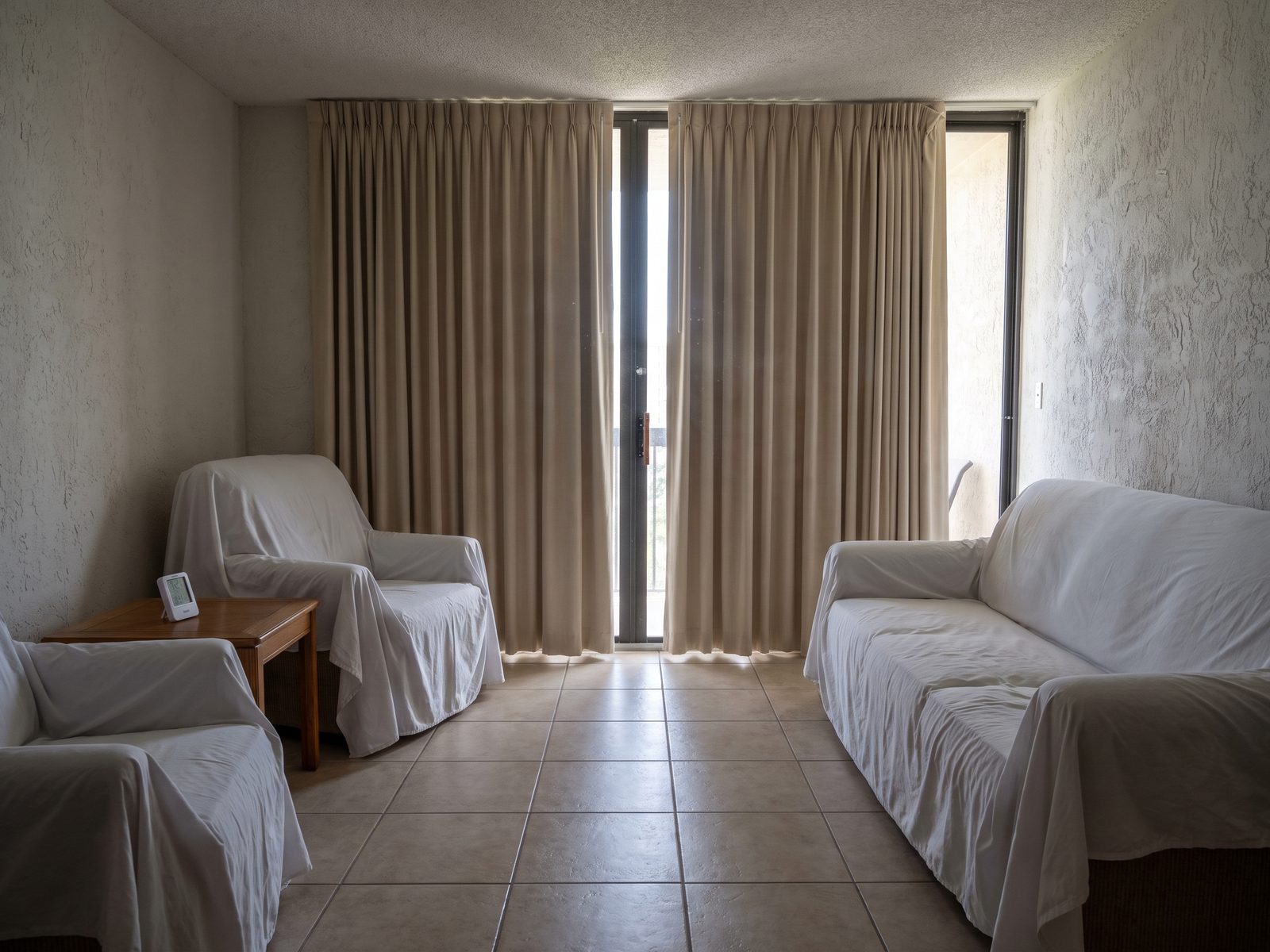
Because the loss already happened and nobody was there. A braided supply line, a failing water heater or a leaking angle stop does not wait for an occupant. It runs until somebody opens the door. That makes the winter peak a discovery peak rather than a failure peak.
The profile is different from a wet-season leak. A leak found in an occupied home is measured in hours. A leak found on a seasonal return is measured in weeks, which means saturated cabinetry, swollen flooring, growth behind the baseboard, and often water tracking down a shared wall into the unit below.
A closed unit has a quieter problem too. A thermostat parked high with the system barely cycling removes very little moisture, so the contents and finishes absorb it. Owners return to a musty unit with no leak at all. The smell is real, the cause is humidity, and the fix is conditioning the space rather than scrubbing surfaces.
- Fit an automatic shutoff at the unit's main, or close the main by hand whenever the unit is left for more than a few days.
- Set the system to hold humidity rather than temperature alone, and leave it running.
- Arrange a monthly walkthrough by someone who will open cabinets and look under sinks.
- Replace braided supply lines and washer hoses on a schedule, and put leak sensors at the water heater and under each sink.
Which months are quietest, and why does that matter for repairs?
February through April is the calmest stretch of the South Florida year. The wet season is over, hurricane season has not started, the tide window has passed, and seasonal units are occupied so nothing sits undiscovered. All four drivers are quiet at the same time.
That matters more than it sounds. Roofers, glaziers, plumbers and restoration crews have availability they simply do not have in September. Lead times are shorter. Boards can take competitive bids instead of emergency pricing. It is also the right window for the work that prevents the rest of the calendar.
- February to April: roof recover, perimeter sealant, balcony waterproofing and supply line replacement.
- Early May: final drainage clearing, plus a walk of every roof penetration.
- Late May onward: reactive mode, competing with the season for crews and materials.
What is the dominant loss type in each month?
The table maps all four drivers onto one twelve-month view. The dominant driver column is what most often puts water inside a building that month. It is a planning reference built on seasonal patterns, not a prediction for any individual property.
| Month | Dominant driver | Typical call | What to do this month |
|---|---|---|---|
| January | Seasonal return discovery | Weeks-old supply line or water heater failure | Walk every unit that sat empty. Check under sinks and behind the washer. |
| February | Quiet across all four | Routine plumbing failures only | Book roof, sealant and waterproofing contractors while they have availability. |
| March | Quiet across all four | Routine plumbing failures only | Do the roof and window perimeter work. Best month of the year for it. |
| April | Quiet, humidity climbing | Early condensation and musty odor calls | Finish exterior repairs. Service air conditioning before the load arrives. |
| May | Wet season begins mid month | First roof and scupper backups of the year | Clear every drain and scupper. Walk the roof after the first downpour. |
| June | Wet season, hurricane season opens | Downpour leaks at roofs, windows and thresholds | Photograph the building for the season file. Fix what the first storms exposed. |
| July | Wet season at full strength | Ceiling leaks, courtyard flooding, mold behind wet drywall | Dry every leak properly. Nothing air-dries at these dew points. |
| August | Wet season plus the hurricane ramp | Storm-driven envelope leaks begin | Confirm shutters and impact openings work. Stage supplies early. |
| September | Hurricane peak plus early king tides | Wind-driven rain across whole buildings, tidal garage flooding | Response month. Document cause and date on everything you find. |
| October | King tide window at its height, wet season ends | Salt water in garages, elevator pits and ground floors | Check tide predictions weekly. Protect pits, gear and storage. |
| November | Tide window closing, owners returning | Tidal cleanup plus the first discovery losses | Post-season envelope inspection. Start opening closed units. |
| December | Seasonal return discovery | Long-running leaks found when units reopen | Open units with somebody watching the main. Run the humidity down first. |
How should a seasonal homeowner use this calendar?
If you are here part of the year, your risk is concentrated in the months you are not. The calendar says your most likely loss is a discovery loss, found in November or December, caused by a failure that happened in July. You are not trying to be present for an emergency. You are trying to make sure an empty unit cannot run water for a month.
Treat closing and opening as two separate checklists. When you do open to a loss, stop the water, photograph everything before anything moves, and call for drying the same day. Materials wet for weeks do not improve while a file is reviewed. We bill you, the homeowner, and hand you a carrier-ready claim file: the line-item scope, the photographs and the daily moisture logs a claim needs.
- Closing: shut the main or fit an automatic shutoff, leave conditioning on with a humidity target, and place leak sensors.
- While away: ask your monthly visitor for photographs of under-sink areas, not a text saying everything looks fine.
- Opening: turn the water on while standing at the main and listen, then check every cabinet and the floor at the wall line.
- A musty smell with no visible leak is usually humidity in the contents. Run the system down before assuming the worst.
What should a condo association schedule around it?
An association manages all four drivers at once across a whole building, so the calendar becomes a maintenance program. February through April carries the capital work. May carries drainage clearing. The fall carries tide readiness. November and December carry the post-season inspection and the reopening of seasonal units.
Two building-specific items get missed most often. A pit that takes salt water in October becomes an elevator failure in January. An association that cannot show what the roof looked like in May has a harder time with a September claim. Florida's condominium act frames how maintenance and insurance duties split between an association and a unit owner, and the declaration fills in your building's detail. Where it stays unclear, speak with a licensed public adjuster or an attorney.
- February to April: roof, sealant, balcony waterproofing, plumbing risers and engineering assessments.
- Early May: clear all drains and area drains, then test them with a hose rather than assuming.
- September and October: check published tide predictions weekly and protect pits, garages and storage.
- Year-round: keep a written record of who reported what and when. It is the difference between a claim and an argument.
Where can I check these dates and standards for myself?
The season dates, the tide behavior and the standards below are public, and the links go straight to them. The month-by-month pattern is our own: it is what we see on South Florida jobs across a year, not a published dataset. Tide predictions are station specific, so check the one nearest your building.
- National Hurricane Center hurricane season climatology, for the season dates and the September 10 peak.
- NOAA, what is a king tide.
- NOAA, what is high tide flooding.
- NOAA Tides and Currents, monthly high tide flooding outlook.
- NOAA tide predictions by station.
- National Weather Service Miami, daily temperature and rainfall records.
- FEMA, how flood insurance works, including the National Flood Insurance Program.
- EPA, a brief guide to mold and moisture.
- IICRC standards, including S500 for water damage and S520 for mold.
- Florida Statutes Chapter 718, the condominium act.
- Florida Division of Emergency Management.