Back for the Season and Found a Leak: Water Damage in a Vacant Sunny Isles Beach Condo

BYSteve Jafari, General ManagerMIAMI-DADE & BROWARD
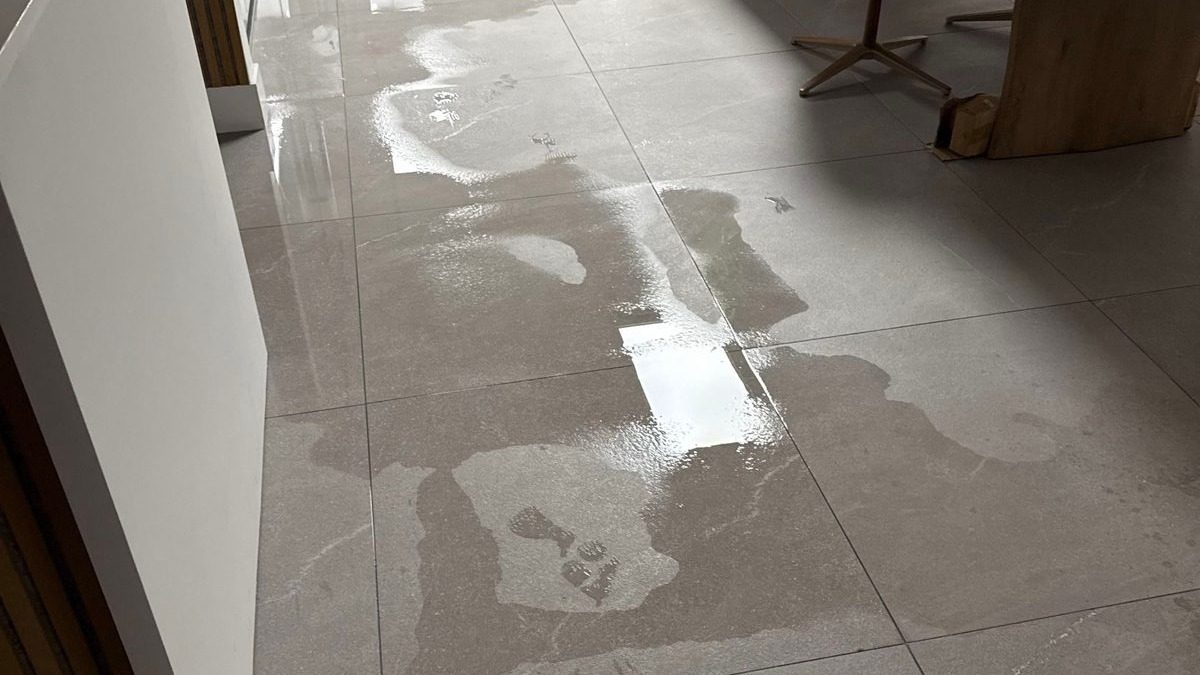
If you discover a water leak in a vacant condo in Florida after returning for the season, shut off the water, photograph everything before you touch it, and call a restoration professional the same day. The pivotal issue will be whether your policy treats the loss as a sudden event or gradual seepage — and in a unit that sat empty for weeks, that language often determines whether your claim is paid or denied. Mold can begin growing within 24 to 48 hours of a leak, so a weeks-old loss in South Florida humidity almost always means established growth inside wall cavities, not just surface staining.
Call (786) 213-9489What should you do first when you find a water leak in a vacant condo in Florida?
Shut off the water supply, stay out of the wet areas, and document the scene before you move or remove anything. The single most important action when you discover a water leak in a vacant condo in Florida is preserving evidence — because the condition of the unit the moment you walk in is what your insurer, the condo association, and any restoration team will reconstruct later.
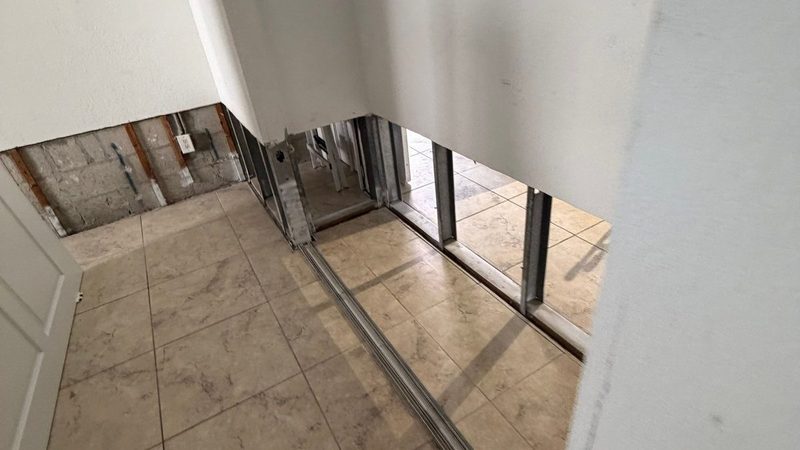
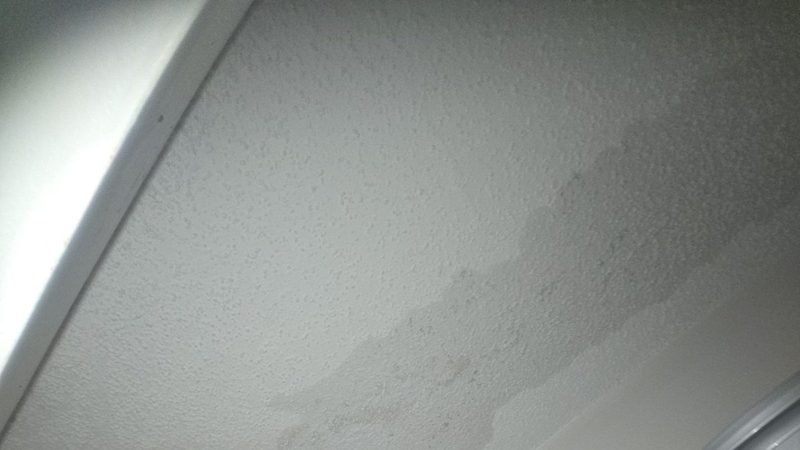
This is the classic snowbird return scenario. You left your Sunny Isles Beach unit in the spring, flew north for the summer, and now in winter you open the door to buckled flooring, a water-stained ceiling, and that unmistakable musty smell. The leak is not fresh. It has been working on your drywall, baseboards, and cabinetry for days or weeks while the air conditioning cycled and the South Florida humidity did the rest.
Before you grab a mop, take wide photos and close-ups of every affected room, the source if you can find it, and any standing water or staining. Then call a licensed restoration company and, separately, notify your condo association and your insurer. The order matters less than the speed — mold can begin growing within 24 to 48 hours, and in a unit that sat empty, the clock has been running against you for a long time.
- Turn off the unit's water shut-off valve to stop any active supply-line leak.
- Photograph and video every wet area, ceiling, wall, and the suspected source before touching anything.
- Do not throw away damaged items yet — they are evidence for your claim.
- Notify your condo association in writing; the source may be in a common element or a neighbor's unit.
- Call a restoration professional and your insurer the same day you discover the damage.
Why is discovered water damage in a vacant condo so much worse than a fresh leak?
Discovered water damage in a vacant condo is worse because the loss is old — the water had unlimited time to spread, saturate porous materials, and feed mold before anyone intervened. A leak caught in the first hour is usually a drying job; a leak caught after three weeks is often a demolition-and-rebuild job.
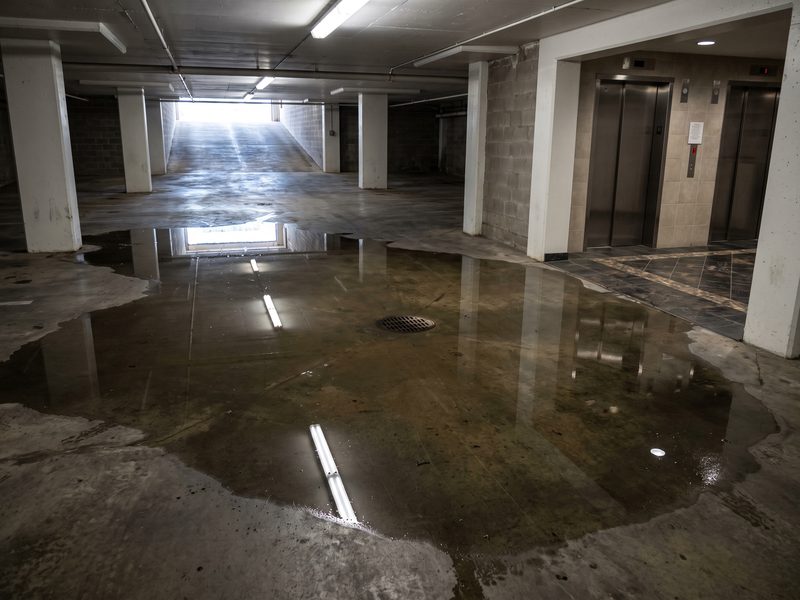
When a unit is occupied, someone usually notices a drip, a stain, or a damp smell within hours or days. A vacant condo has no such early warning. Water migrates under flooring, wicks up drywall, pools inside cabinet bases, and travels along the path of least resistance into adjoining rooms. By the time a returning owner opens the door, the water may have reached materials far from the original source.
South Florida's climate compounds the problem. With outdoor humidity routinely running 60 to 80 percent and a unit that may have been kept at an energy-saving thermostat setting while empty, conditions inside favor microbial growth. Mold that begins within 24 to 48 hours of the leak has had weeks to colonize wall cavities, insulation, and the back side of baseboards — places you cannot see from the living room. This is why a musty smell on returning to a condo is rarely a surface problem; the odor is the byproduct of growth already established inside the assembly.
What is the sudden-vs-gradual coverage question, and why does it decide your claim?
The sudden-vs-gradual question is whether your policy treats the leak as an abrupt, accidental event (generally covered) or as slow, ongoing seepage over days or weeks (frequently excluded). In a vacant-condo discovery loss, this single distinction is usually the pivotal factor in whether your claim is paid.
Most homeowner and condo unit-owner (HO-6) policies cover sudden and accidental water discharge — a burst supply line, a failed water heater, a cracked valve. But those same policies commonly exclude damage caused by water that leaked or seeped "continuously or repeatedly over a period of weeks, months, or years." When you walk into a unit that leaked the entire time you were away, the carrier can argue the damage was gradual by definition, because no one was there to stop it.
Winter is the peak season for seepage-exclusion denials precisely because it is peak snowbird-return season. Owners come back after months away, discover long-running losses, and file claims on damage that visibly developed over time. How you document the loss — and whether you can show the discharge itself was sudden even if the discovery was delayed — can be the difference between coverage and denial. This is where thorough, professional documentation earns its keep.
| Factor | Points toward SUDDEN (often covered) | Points toward GRADUAL (often excluded) |
|---|---|---|
| Source | Burst pipe, failed valve, ruptured supply hose | Slow drip from a worn fitting or seal |
| Timeline of discharge | Water released abruptly at a point in time | Water seeped steadily over weeks or months |
| Staining pattern | Fresh, well-defined wet area | Layered tide lines, long-term discoloration |
| Material condition | Recently saturated, still wet | Dried-and-rewet cycles, deteriorated materials |
| Mold presence | Minimal or just beginning | Established colonies in wall cavities |
How do you prove the leak was sudden even if you discovered it weeks later?
You prove a leak was sudden by documenting the nature of the failure, not just the age of the damage. A burst supply line or a cracked fitting is evidence of an abrupt event even if the water then ran unnoticed for weeks while you were away — the key is separating the moment of failure from the moment of discovery.
Our role is to build that distinction into a defensible claim file. When we respond to a discovered leak, we photograph the failure point, trace the water's migration path, record moisture readings across every affected material, and keep daily moisture logs as we dry the structure. We produce an Xactimate line-item scope that describes exactly what failed and what it damaged, backed by CompanyCam photo documentation. That gives your adjuster a factual basis to classify the discharge as sudden rather than labeling the whole loss gradual seepage.
Remember the relationship here: Restoration Doctor of South Florida works for you, the homeowner. We bill you directly and hand you a carrier-ready claim file — Xactimate scope, CompanyCam photos, and daily moisture logs — so you walk into the claims conversation with evidence instead of guesses. We do not work for your insurance company, and that independence is exactly why our documentation is built to withstand a seepage challenge.
- Photograph the actual failure point — the burst line, split hose, or cracked valve.
- Preserve the failed component itself if plumbing is replaced.
- Capture moisture-meter readings that show the extent and pattern of saturation.
- Keep a dated log from discovery through drying so the timeline is clear.
- Request the plumber's or association's report if a shared line was involved.
Who is responsible when the leak comes from a neighbor's unit or a common element?
Responsibility depends on where the water originated and what your condo's governing documents say. In a Florida condo, damage from a common element (a shared pipe inside the wall, the roof, a riser) is generally the association's concern, while damage originating inside another owner's unit may fall to that owner — but your own HO-6 policy usually still handles the interior of your unit.
This is one reason you notify the condo association in writing the moment you discover the leak. The source often is not in your unit at all. A failed water heater two floors up, a cracked riser inside a chase wall, or a neighbor's overflowing appliance can send water into your ceiling and walls. Determining the origin is both an engineering question and a coverage question, and it affects who pays for what.
In practice, several parties can be involved at once: your insurer for your unit's interior and contents, the association's master policy for common elements, and potentially a neighbor's liability coverage. We document the origin and migration path objectively so each party can see where the water came from and where it went. Clear evidence of the source prevents the finger-pointing that often stalls high-rise claims in buildings along the Sunny Isles Beach corridor.
What does the restoration and mold remediation process look like for an old, established leak?
For an old leak with established mold, restoration means controlled demolition of unsalvageable materials, containment to prevent spore spread, structural drying to ANSI/IICRC S500 standards, and mold remediation under ANSI/IICRC S520 protocols. Unlike a fresh leak that can sometimes be dried in place, a weeks-old loss in a humid unit usually requires removing saturated drywall, insulation, and flooring that have begun to deteriorate or support growth.
First we assess the full extent with moisture meters and inspection, because the visible damage is almost never the whole story — water travels, and so does the drying requirement. We establish containment so the remediation work does not push spores into clean areas of your unit. We remove compromised materials, treat and clean affected surfaces, and dry the structure to a documented drying goal rather than guessing. Only then does reconstruction begin.
Our water damage restoration and mold remediation teams work to those recognized standards — S500 for water, S520 for mold — with Category 3 protocols applied when the water is grossly contaminated, as with sewage. Because the loss is old, we also address the musty smell at its source: odor in a reopened condo is a sign of active or residual growth inside the assembly, not something a deodorizer can fix. Removing the growth and drying the cavity is what eliminates the smell for good.
How much does it cost to restore a vacant condo after a long-running leak?
Restoring a vacant condo after a long-running leak typically runs in the thousands, and the real figure comes only after an on-site inspection. We never quote a flat price sight unseen, because the cost is driven entirely by the scope of the specific loss — and discovery losses tend to have a wide scope.
What moves the number is straightforward: how much water was released, how far it spread through the unit, how much material has to be removed because it is saturated or supporting mold, and how many days of structural drying the assembly requires. A leak confined to one bathroom is a very different project from water that migrated across a great room and into two bedrooms over three weeks. Established mold adds containment and remediation labor on top of the drying work.
Because we bill you directly and provide a carrier-ready claim file, you see exactly what each line item is and why it is there. That transparency helps you weigh your deductible and policy limits against the actual scope, and it gives your adjuster a documented basis for the covered amount. The honest answer to the cost question is that the on-site inspection sets the number — anyone quoting a dollar figure over the phone is guessing.
How can snowbirds prevent the next vacant-condo leak in Sunny Isles Beach?
The most effective prevention is shutting off the unit's main water supply whenever you leave for an extended period, combined with a smart leak detector and a local contact who checks the unit periodically. A leak that cannot flow cannot cause a discovery loss, and a sensor that alerts you can turn a catastrophe into a minor repair.
Seasonal occupancy is the structural risk in the Sunny Isles Beach condo corridor. Units sit empty for months while owners are away, which means no one is present to catch the early drip. A few simple measures dramatically reduce the odds of walking back into a flooded unit: shut the water off at the valve, have a trusted neighbor or property manager do periodic walkthroughs, install Wi-Fi leak sensors near the water heater and under sinks, and keep your condo association's emergency contacts current so they can reach you if a building-side issue affects your unit.
None of this is foolproof, which is why knowing who to call matters. If you do return to a problem, Restoration Doctor of South Florida offers 24/7 emergency response across Miami-Dade and Broward counties — call (786) 213-9489 the day you discover the damage. Reaching a professional immediately limits further spread and strengthens the documentation that protects your claim.
- Shut off the unit's main water valve before every extended trip.
- Install Wi-Fi leak detectors near the water heater, washing machine, and under sinks.
- Arrange periodic walkthroughs by a neighbor, friend, or property manager.
- Keep your association's emergency contacts and your own current.
- Save a 24/7 restoration contact — (786) 213-9489 — so you can respond the day you discover a leak.