Hurricane Water Damage in South Florida: What to Do in the First 24 Hours

BYSteve Jafari, General ManagerMIAMI-DADE, BROWARD & PALM BEACH

After hurricane water intrusion, work in this order: make sure the structure and power are safe, stop or slow the water source if you safely can, document everything with photos and video before you move anything, get standing water out, and start professional drying within the first 24 hours before the Florida heat and humidity turn a water loss into a mold problem. Restoration Doctor of South Florida runs 24/7 storm dispatch across Miami-Dade, Broward, and Palm Beach — call (786) 213-9489.
Call (786) 213-9489What should I do first after hurricane water gets into my home?
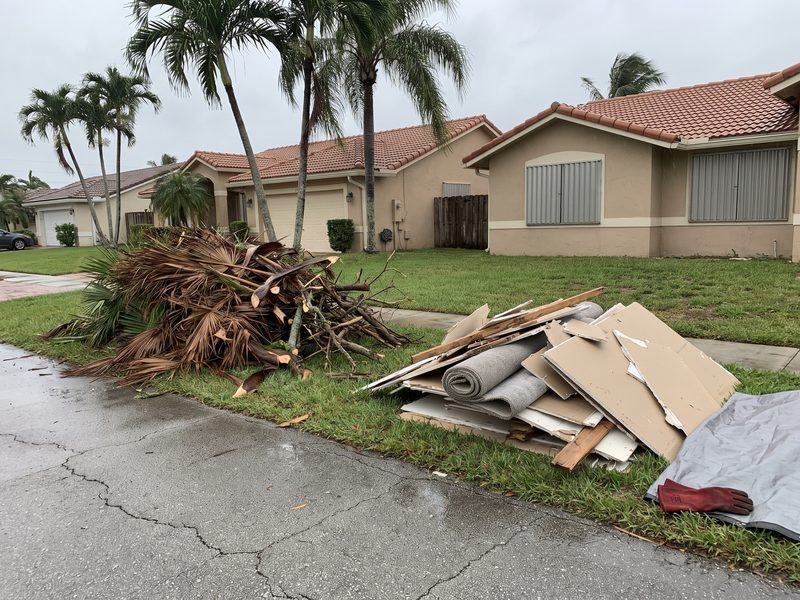
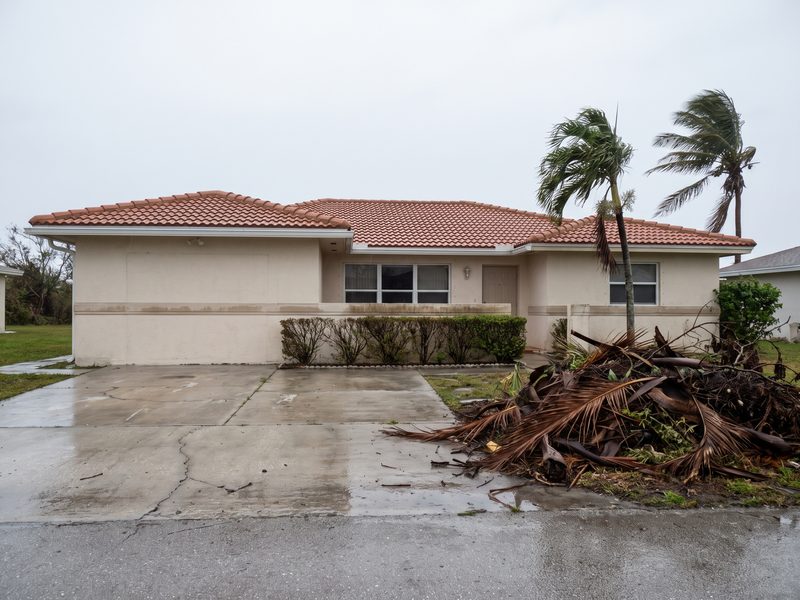
The single most important thing to understand about hurricane water damage in South Florida is that the clock, not the storm, is your real opponent. Once wind-driven rain or a roof breach lets water into the structure, the damage keeps compounding long after the sky clears — drywall wicks moisture upward, hardwood cups and swells, and in our climate mold can begin colonizing wet materials within 24 to 48 hours. What you do in the first day almost always determines whether you are looking at a dry-out or a gut renovation.
Work in a fixed order, because doing the right things in the wrong sequence can cost you money or safety. Safety comes first, then stopping the water, then documentation, then extraction and drying. It is tempting to start hauling out soaked furniture the moment you can — but if you move and clean everything before you photograph it, you can weaken your own insurance claim and lose the record of how bad it actually was.
Is it safe to go back inside?
Before anything else, treat the building as potentially hazardous. Standing water plus electricity is the most immediate danger: if water has reached outlets, the panel, or any wiring — or if you cannot get to the breaker without stepping in water — keep the power off and call an electrician or your utility. Do not wade into standing water in a home that still has power.
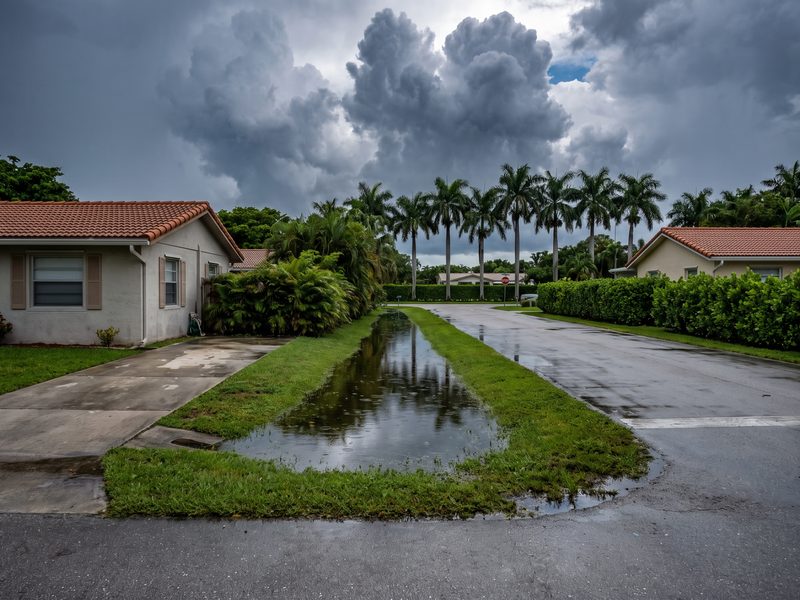
Assume post-storm floodwater is contaminated. Storm surge and street flooding carry sewage, fuel, lawn chemicals, and bacteria, which makes it Category 3 'black water' under the IICRC standard — the kind that requires protective equipment and controlled removal, not a mop and a bucket. Watch for structural warnings too: sagging or bulging ceilings holding trapped water, soft spots in floors, and the smell of gas. If a ceiling is bellying downward with water, stay out from under it.
- Keep power off if water reached outlets, wiring, or the panel — do not enter energized standing water.
- Treat surge and street floodwater as contaminated (Category 3) — avoid skin contact and wear boots and gloves.
- Watch for sagging ceilings, soft floors, and gas odors before moving through the home.
- Keep children and pets out of affected areas until they are cleared and cleaned.

How do I stop the water from getting worse?
Once you know it is safe to move around, slow or stop the intrusion if you can do it without risk. For a roof breach, that usually means a tarp over the failed section — many South Florida homeowners cannot safely get on a wet roof after a storm, and that is exactly the kind of emergency board-up and tarping a restoration crew handles on arrival. For a failed window or door, temporary boarding and moving water away from the opening buys time.
If the water is coming from a plumbing supply line that failed during the storm rather than from outside, shut off the water at the main. For water still pooling inside, getting it moving toward a drain or out a door reduces how far it wicks into walls and flooring. The goal here is not to finish the job — it is to stop the loss from growing while you get help on the way.

Why documentation matters before you clean anything
In Florida, how you document the loss in the first hours has a direct effect on your claim. Insurers scrutinize storm claims closely, and the burden is on you to show what was damaged and how. Before you move furniture, tear out wet carpet, or run to the store for supplies, walk the entire affected area with your phone and record thorough photos and video — wide shots of each room, close-ups of standing water and damaged materials, and the source of the intrusion if it is visible.
Capture the things that are easy to lose: the water line on the walls, soaked electronics and appliances with model numbers, damaged flooring, and any exterior damage that caused the intrusion. Note the date and time. Keep receipts for anything you buy to protect the property, and hold onto samples of damaged materials where practical. This is also where a professional restoration company earns its keep — the documentation package we build (moisture readings, thermal images, a line-item scope, and photo logs) is written to be carrier-ready, so your adjuster gets the evidence in a form that supports the claim rather than fighting it.
Getting the water out and drying the structure
After documentation, the priority is removing standing water and drying the structure to a verified dry standard — not to the point where it 'looks dry.' South Florida's climate works against you here in a way northern markets never deal with: ambient humidity routinely sits in the 60–80% range, so simply opening windows or running household fans often moves moist air around without actually pulling water out of the materials. Real drying in this climate requires commercial dehumidification sized to the space, not just air movement.
Unsalvageable saturated porous materials — soaked carpet pad, wet insulation, and drywall that took on contaminated water — generally have to come out so the structure behind them can dry. Everything else is dried in place and monitored daily with moisture meters until it reaches target. Our average structural dry-out runs several days, verified with readings rather than guesses, and the drying phase is precisely where mold is won or lost. The faster professional equipment is on site, the more of your home stays in the 'dry it' column instead of the 'replace it' column.

How the insurance side actually works
One point of confusion worth clearing up: we do not bill your insurance company directly, and you should be cautious of any contractor who says the carrier is their customer. Our model is simple and it protects you — we bill you, the homeowner, and we hand you a complete, carrier-ready claim file you can submit. That file documents the loss the way an adjuster needs to see it, so every line we billed can be checked against a reading, a photograph or an equipment run time. We work for you, not the insurance company, and that alignment matters when a claim gets contested.
Report the loss to your insurer promptly and keep your own copy of everything. Understand which policy applies: wind-driven rain and roof-failure water intrusion are typically handled under a homeowners policy, while rising water and storm surge fall under separate flood insurance. Knowing which coverage you are claiming under — and having documentation that clearly supports it — is half the battle in a South Florida storm claim.
First-24-hours hurricane water damage checklist
- 1
Confirm it is safe
Keep power off if water reached wiring or outlets, treat floodwater as contaminated, and check for sagging ceilings, soft floors, and gas odors before moving through the home.
- 2
Stop or slow the water
Tarp a roof breach or board a failed opening if you can do so safely, and shut the main if the source is a failed supply line. The goal is to stop the loss from growing.
- 3
Document everything first
Before moving or cleaning anything, record wide and close-up photos and video of every affected area, the water source, and damaged contents with model numbers. Note date and time.
- 4
Call for 24/7 emergency response
Get a professional restoration crew dispatched. In our climate, hours matter — mold can begin within 24 to 48 hours on wet materials.
- 5
Extract standing water
Remove standing water and move soaked, unsalvageable porous materials out so the structure behind them can dry.
- 6
Dry to a verified standard
Run commercial dehumidification and air movers sized to the space, and monitor moisture daily until materials reach target — not until they merely look dry.